Gambling
FAQs
Uncover the essentials of gambling addiction and recovery at Prescott House. From recognizing symptoms to understanding post-treatment options, we guide you every step of the way.
Uncover the essentials of gambling addiction and recovery at Prescott House. From recognizing symptoms to understanding post-treatment options, we guide you every step of the way.

Clinically Reviewed by: Jeff Martin, MEd, MA, LPC, CSAT-S, CCBRT-C, ICGC-I
Clinical Director, Prescott House
Last reviewed: June 2026
Understanding your struggle with gambling addiction and seeking help can be filled with questions and uncertainties. Here, we provide insights on recognizing a gambling problem, treatment options, and ways to seek help, along with many other aspects of addiction and recovery. This is a safe space for you to learn and gain the knowledge needed to make informed decisions on your path to recovery.
The 45-day gambling-specific clinical curriculum is the clinical core of our gambling program, but most clients remain in residential treatment well beyond that. Our average residential stay is 4 to 6 months, depending on individual progress, and our treatment team continues care throughout, combining individual therapy, group therapy, family work, and local Gamblers Anonymous meetings.
For clients who choose to remain in the Prescott, AZ area after completing residential treatment, we also offer a dedicated aftercare program available three days a week, including individual sessions with our ICGC-certified counselors. Our aftercare services are designed to provide continuous support, helping you maintain your progress and navigate any challenges that arise post-treatment.
While many people engage in gambling without developing an addiction, it becomes problematic when individuals continue gambling despite negative consequences. Addiction emerges when the allure of gambling outweighs other enjoyable aspects of life, such as spending time with loved ones. If gambling begins to interfere with your family life or causes sleep disturbances, it may be turning into an addiction.
Yes. Gambling Disorder is currently the only behavioral (non-substance) addiction included in the American Psychiatric Association's Diagnostic and Statistical Manual of Mental Disorders (DSM-5), where it sits in the chapter on Substance-Related and Addictive Disorders. The World Health Organization's ICD-11 also recognizes Gaming Disorder as a behavioral addiction, and classifies Compulsive Sexual Behavior Disorder as a related clinical condition, so the broader landscape of behavioral addictions is evolving. Gambling Disorder shares several diagnostic criteria with substance use disorders, including tolerance, symptoms similar to withdrawal (such as restlessness or irritability when trying to stop), and the inability to reduce or stop gambling despite repeated attempts. Many of the men we treat have both a gambling addiction and a co-occurring mental health condition; these are dual diagnosis clients, and both conditions need to be addressed simultaneously for lasting recovery to be possible. You can read more here: Dual Diagnosis Treatment
Support groups such as Gamblers Anonymous can also provide assistance, and most states offer gambling-specific helplines. For gambling concerns specifically, the National Council on Problem Gambling helpline is available 24/7 at 1-800-GAMBLER (1-800-426-2537). For co-occurring substance use or mental health concerns, the SAMHSA National Helpline is available at 1-800-662-4357.
At Prescott House our holistic approach to gambling addiction treatment extends beyond therapy sessions. We understand that a comprehensive recovery involves addressing various aspects of your life. As such, we provide comfortable housing and nutritious meals, ensuring that you have a supportive environment conducive to healing. Call us today – (866) 425-2470
According to the National Council on Problem Gambling, approximately 1% of American adults meet criteria for severe Gambling Disorder, with an additional 2–3% experiencing some level of problem gambling. Rates are higher among adolescents and young adults, where research estimates 6% to 9% experience gambling-related harm — a group of particular concern as mobile sports betting becomes more widely accessible.
While recovering from gambling addiction can be challenging, it is indeed possible. Although no specific medications target gambling addiction, some can address co-occurring conditions such as anxiety or depression. Motivational interviewing and various therapies, including cognitive-behavioral therapy (CBT) and family therapy, can also be beneficial. Different individuals respond differently to treatment approaches, so it’s essential to find what works best for you.
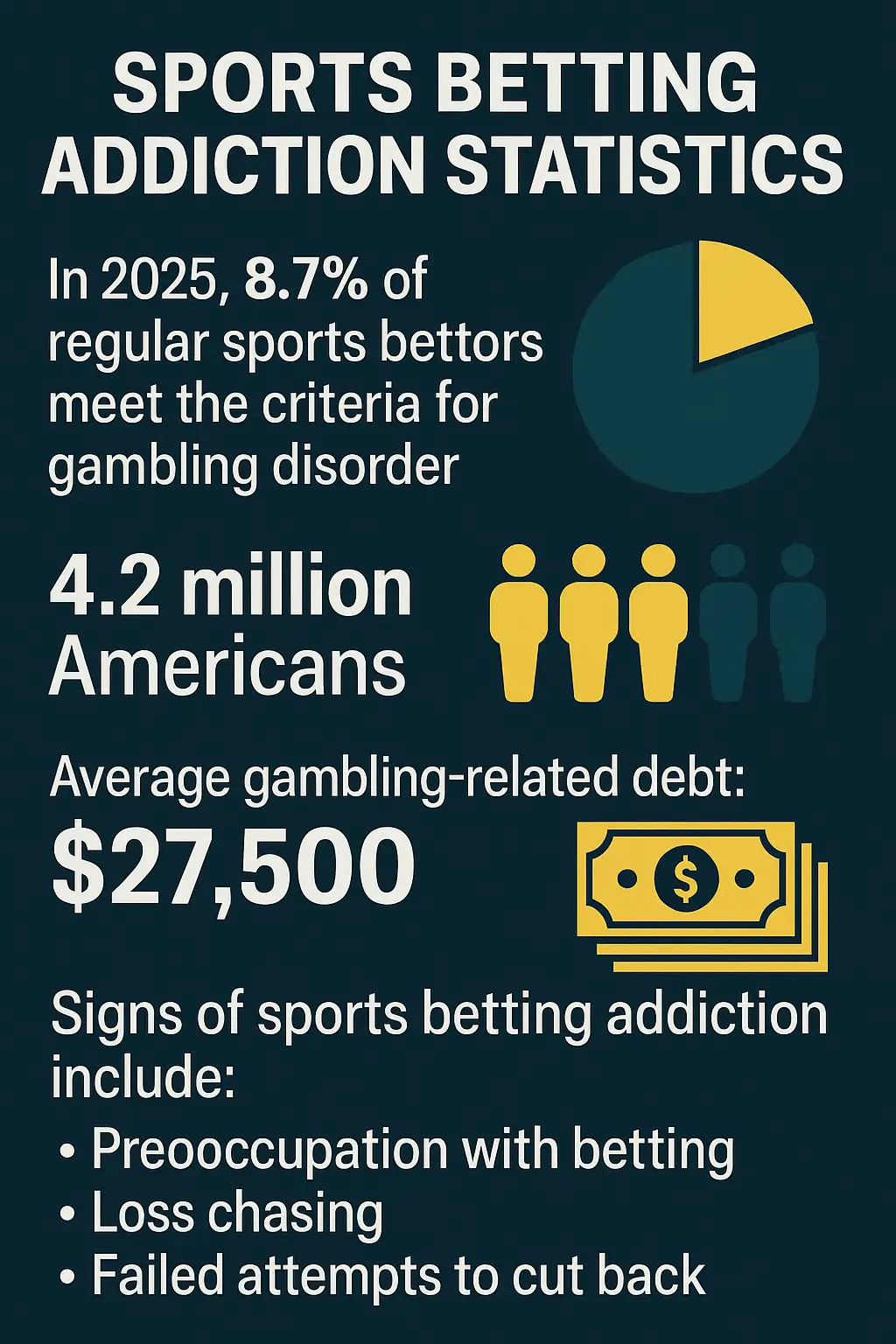
Yes. Prescott House treats men struggling with sports betting and other forms of gambling addiction. Our program focuses on helping clients understand the thoughts and emotions that drive compulsive betting. Treatment includes therapy, peer support, and relapse-prevention planning. We have seen a big uptick in admissions around online sports betting with the recent legalization in most states. Read our article: Winning the Bet Against Yourself: Understanding Sports Betting Addiction Statistics in 2025
Prescott is known for its calm setting and strong recovery community. Many men find that being away from casinos and triggers helps them focus on healing. Prescott House offers a supportive environment that encourages honesty, structure, and lasting recovery. The Prescott House Gambling Treatment for Men is a one of a kind and has been the place that worked for many who couldn't find help elsewhere.
Yes. Prescott House is a residential treatment program for men. Focusing on men allows our team to address specific patterns such as financial secrecy, risk-taking, and relationship issues that often appear in male clients with gambling addiction.
Coverage varies by plan. Some policies include behavioral addiction treatment under mental health benefits, while others require out-of-network coverage. Our admissions team can check your insurance and explain your options before you begin treatment.
The gambling-specific clinical curriculum lasts 45 days and forms the clinical core of our gambling treatment. However, Prescott House is built around an extended-care, long-term model, and most men stay considerably longer than the 45-day curriculum alone. The average length of stay in our on-campus program is 4 to 6 months, depending on individual progress, and some men stay 180+ days when extended care supports stronger outcomes, including time for employment readiness and reintegration.
Once a client has completed the on-campus phase, he transitions into our outpatient program, which is monitored for an additional 3 months. Successful integration into a healthy, gambling-free lifestyle marks graduation. Because of the length of this program and individual personal or professional commitments, we sometimes make exceptions with a 90-day commitment that includes a structured aftercare plan.
Throughout their time in the program, clients take part in community activities such as local 12-step meetings and volunteer work, experiences that help build confidence, structure, and lasting change.
Each day includes group therapy, therapeutic activities, and peer support meetings. Clients also meet individually with their therapist at least once a week. As clients progress, we often add volunteer work and community involvement to balance the intensity of therapy and encourage giving back. The schedule combines structure, recovery work, and healthy routines that build accountability and confidence.
Yes. Family involvement helps rebuild trust and supports long-term recovery. At Prescott House, clients focus on their own growth first, before taking part in family therapy. Once they are ready, we offer a dedicated family session led by our family therapist, who prepares both the client and their loved ones in advance. These sessions are often followed by a weekend visit, giving families time together in a healthy setting. Every situation is different, so the timing and structure of family therapy depend on each client’s progress.
Relapse can happen, but it does not mean failure. It shows that more support may be needed. Prescott House offers relapse-prevention planning, alumni support, and re-entry options for men who want to return to treatment.
“Gambling addiction” and “compulsive gambling” describe the same problem. The clinical term used in the DSM-5 is “Gambling Disorder.” It refers to gambling that continues despite harm to finances, relationships, or mental health.
Yes. Many clients also struggle with other addictions or mental health conditions such as depression, anxiety, or substance use. Treating all issues at the same time gives the best chance for lasting recovery.
For more information:
Take the first step towards transformation with Prescott House. Let's begin your recovery journey together.
Ready to take the next step? Fill out our form, and let's start your journey towards recovery and transformation together.
Share your details, and we'll reach out to guide you forward. 100% confidential. No obligation. We typically respond within an hour.
Prescott House is not a wilderness program. Guys live in a house in town, keep a full clinical schedule, and carry real responsibilities. But the mountains are right there and we use them. Hikes, lakes, ball games, and trips like the Grand Canyon over Labor Day are a regular part of the program. Learning how to have fun sober, around other men, is part of the work.
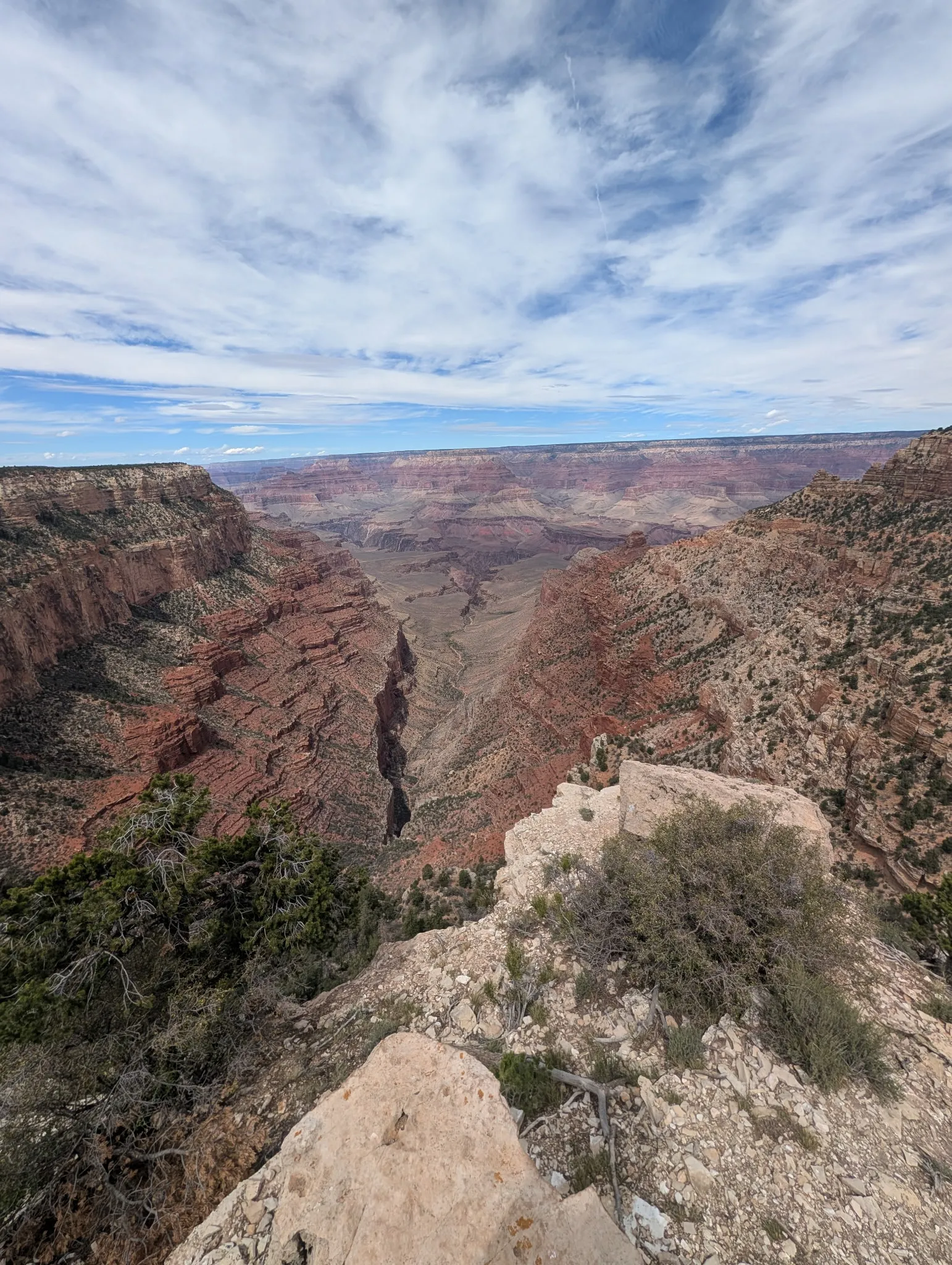
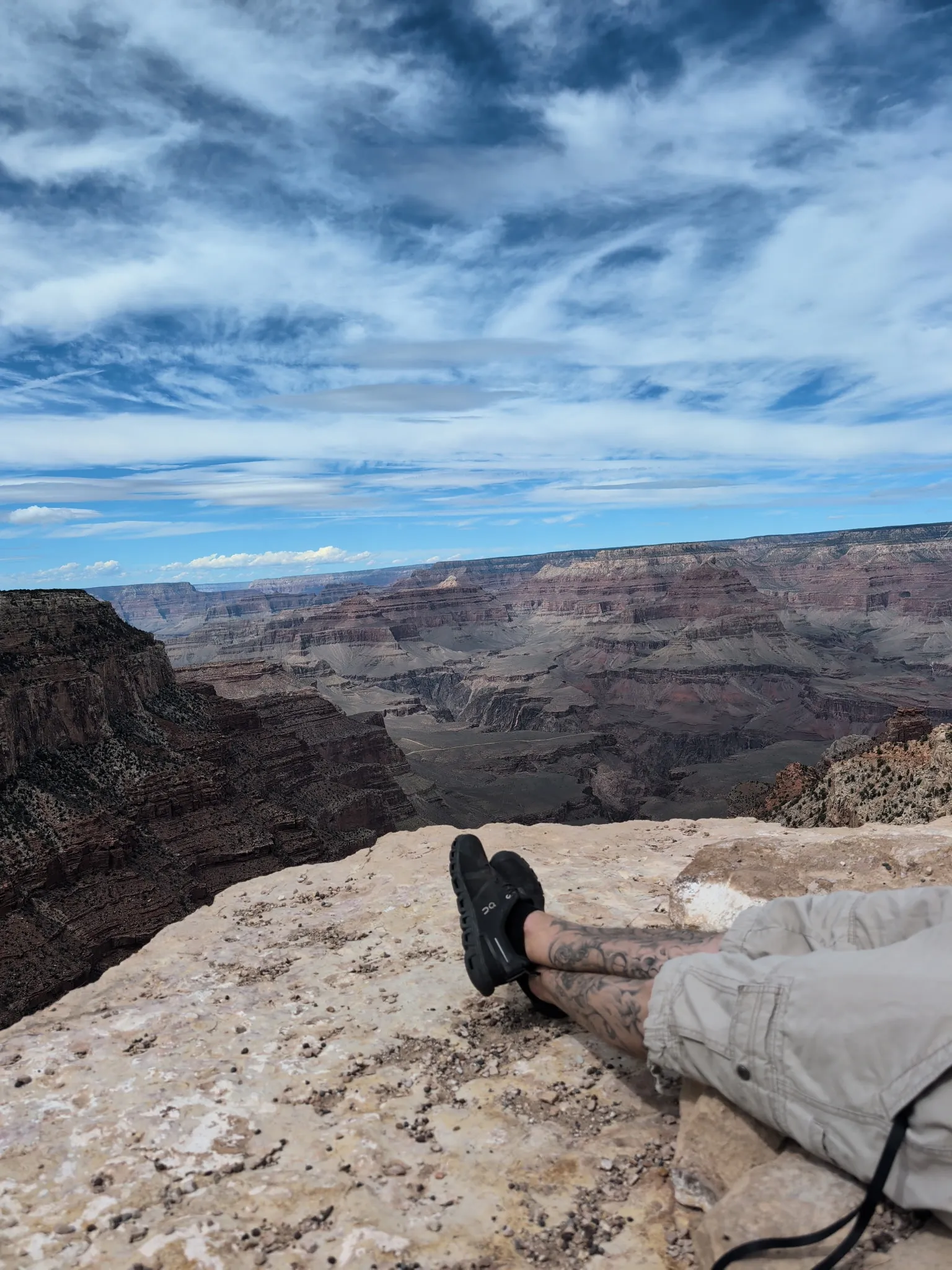

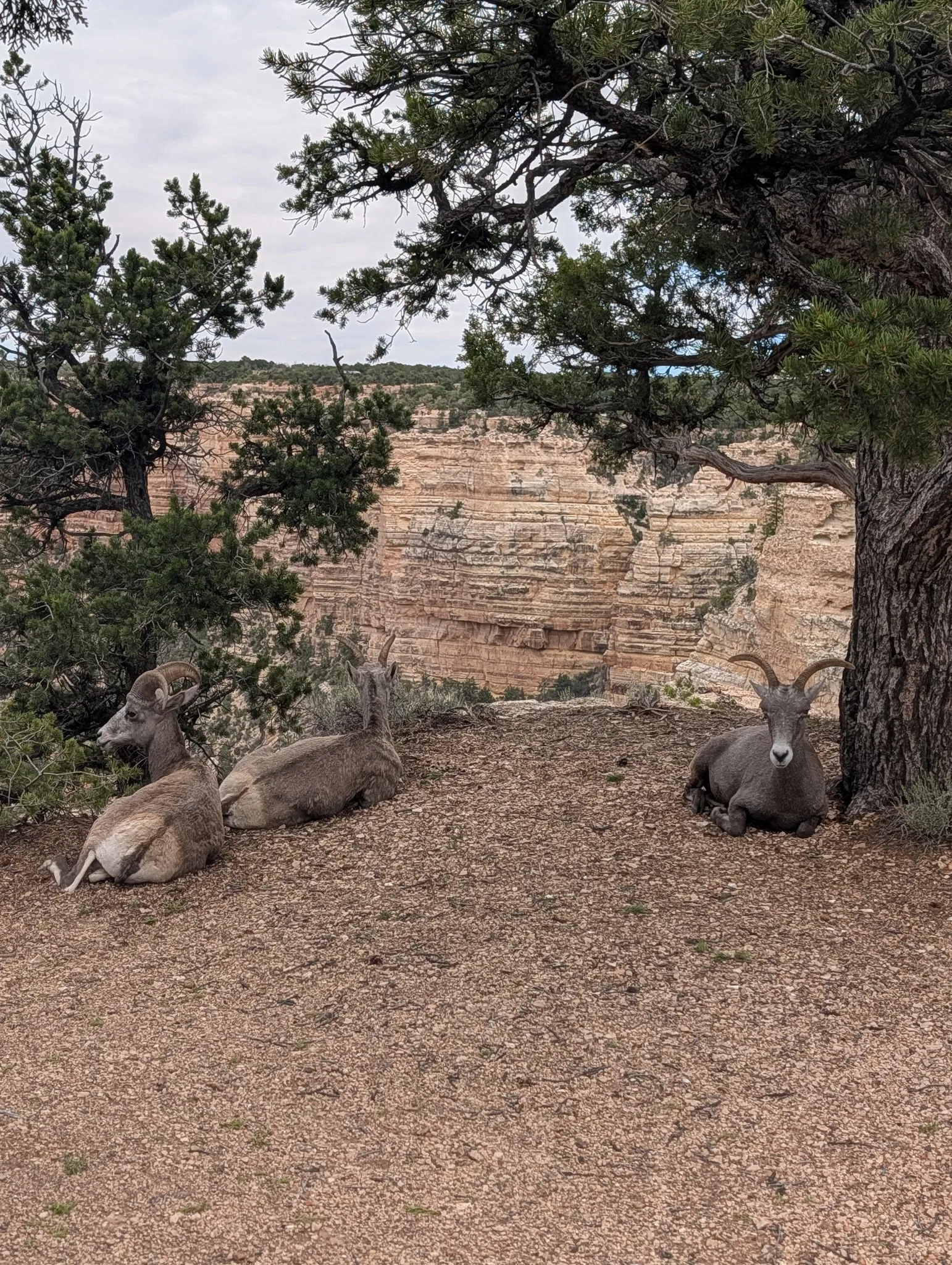
I was a resident at the Prescott House for five months in the year 2023 and i have a hard time finding a constructive thing to say. From the day I walked in, every staff member made it clear that they wanted to help me heal. The group therapy work was challenging but to this day I benefit from those sessions. Their program setup allowed me to get a job after three months which helped me reconnect in the community. Their continued care program allowed for me to check in with other residents who had recently moved into an apartment or sober living in the Prescott area. The thing that separates Prescott House from every other center I’ve been to is the strength of the community. Three years later I keep in touch with several of the men I went through with and I hold pride in my time at Prescott house more than anywhere else. The success I have in my life today would not be possible without the fundamentals Prescott House taught me in recovery and for life. If you or a loved one is looking for a refresh or a restart in life I recommend you reach out to the Prescott House team.
Prescott House truly changed my life. I spent 90 days there for gambling treatment and left with real tools, clarity, and hope for the future. My therapist, Bobby Engle, was a godsend—he genuinely cared, challenged me when I needed it most, and played a pivotal role in my recovery. If you’re struggling with compulsive gambling, there’s no one better to have in your corner. I’m incredibly grateful to Bobby and the entire team.
My husband spent 100 days at Prescott Recovery House, and I can say with my whole heart it was the BEST decision we have ever made! Before this, he went to what we thought was one of the top addiction treatment centers in the country (Sierra Tuscon) and honestly… it doesn’t even compare. Prescott was a MILLION times better. More effective. More personal. More real. The therapists and clinicians here don’t just do their jobs, they genuinely care in a way you can feel every single day. I’m a therapist myself, and I have NEVER seen clinicians make this kind of impact. Not just on the client, but on the entire family. This program doesn’t just help people get sober, it changes lives, relationships, and the way you understand healing.Bobby Engel, my husband’s primary therapist, is hands down the most influential person we could have asked for during this journey. He didn’t just show up for my husband, he showed up for all of us. The love and support he gave our family during some of the most emotional and honestly scary moments of our lives is something I will never forget. He helped calm fears we didn’t even know how to put into words. Jon, Jeff, and Tim were also incredible. Every single person on this team brings so much heart, passion, and authenticity. You can feel that this is more than a job to them.. it’s who they are. I truly cannot say this loud enough: if someone you love is struggling with addiction, they NEED to go here. Don’t “consider it” or “look into it” .. Go here! This place didn’t just help my husband, it changed ALL of our lives forever, and I will always be grateful for that. Prescott holds a special place in our hearts!
Proud September ‘23 graduate here from the Prescott House Gambling Treatment and still going strong with no looking back. Thanks to the incredible process and the people (Victoria, Bobby, and my fellow classmates). I walked away with the knowledge, healing, and tools that I never knew I had access to.
This is undoubtedly the best addiction treatment center in the nation. Prescott House does it right, they are professional and caring. The therapists are knowledgeable in the field of addiction and insightful! They assisted my family when we needed it most and they came through when others didn't. My son recently celebrated 13 months drug and alcohol free! Thank you Prescott House team!
© Copyright 2026 ® | All Rights Reserved | Prescott House