Introduction: The Urgent Question in an Overdose Crisis
In a moment of crisis, knowing the right action to take can be the difference between life and death. Picture this: you find someone unresponsive, and you know they had access to Xanax. Your heart races as you reach for the Narcan kit you keep on hand. But then doubt creeps in – will it actually work?
This scenario plays out more often than you might think. With the rise of accidental overdoses and the increasing availability of naloxone (Narcan) in communities across America, a dangerous question keeps surfacing: will Narcan work on a Xanax overdose? The answer could literally save a life – or the confusion could cost one.
Here's what we'll cover: the clear, medically-backed answer on whether Narcan is effective for a Xanax overdose, why mixing substances creates deadly complications, and exactly what steps to take in an emergency. No medical jargon, no maybes – just the critical information you need to act confidently when seconds count. At Prescott House we know the importance of understanding this life saving drug and our staff has yearly trainings on it. If you or someone you love is struggling we are here to help. For more information on our program visit: Substance Abuse Program
What is Narcan (Naloxone)? The Opioid Reversal Drug
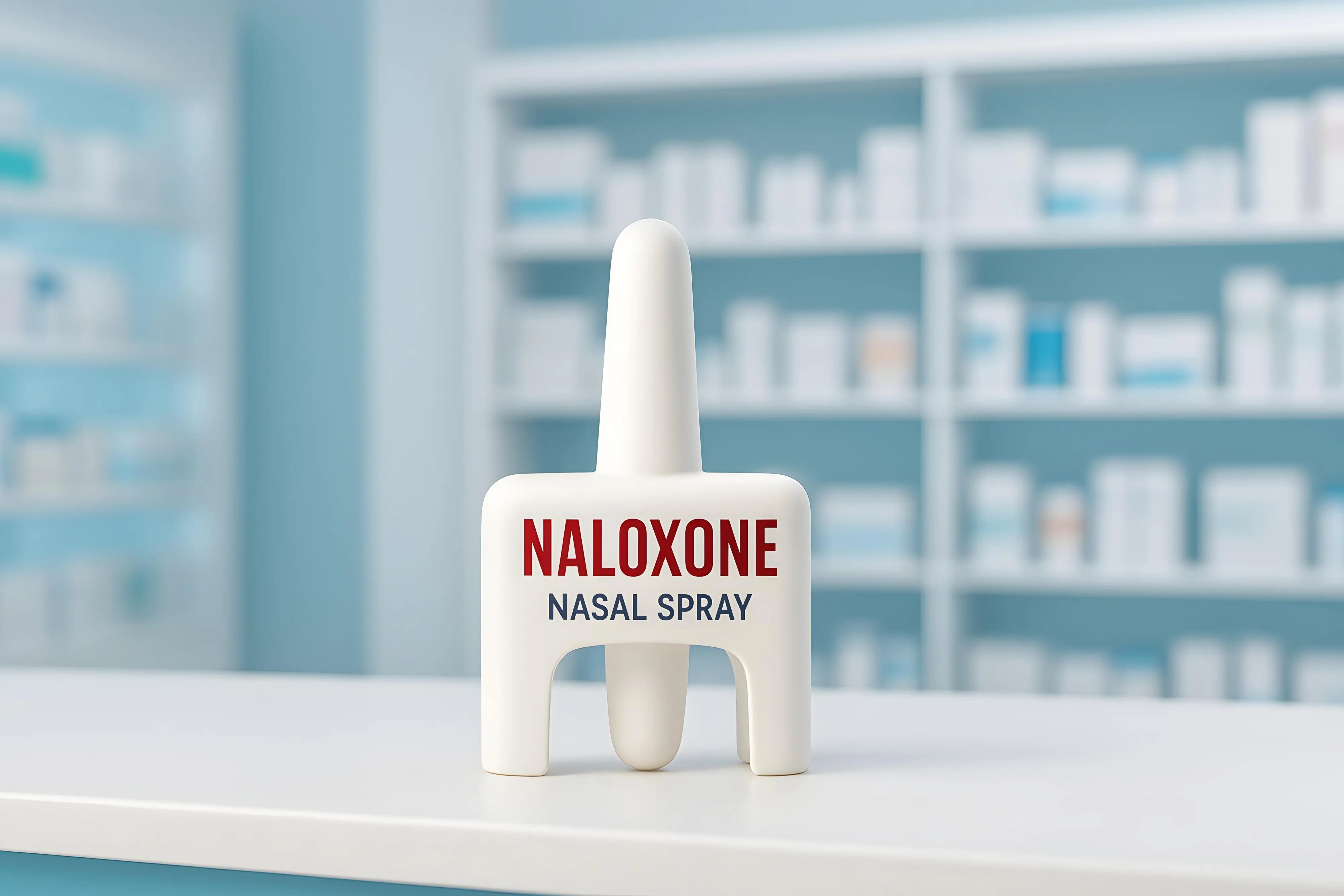
Narcan operates like a highly specialized key that only fits one type of lock. This "miracle drug" is an opioid antagonist, meaning it specifically targets and blocks opioid receptors in the brain. Think of it as a molecular bouncer that kicks opioids out of their seats and takes their place.
When someone overdoses on heroin, fentanyl, oxycodone, or any other opioid, their breathing slows to dangerous levels or stops entirely. Narcan works by rapidly binding to the same brain receptors that opioids target, essentially pushing the opioids out of the way and reversing their life-threatening effects.
The result can seem miraculous – someone who was blue-lipped and barely breathing can suddenly gasp back to consciousness within minutes. At Prescott House, we've seen families describe this moment as watching someone literally come back from the brink. But here's the crucial detail: Narcan's effectiveness depends entirely on opioids being present in the person's system.
Understanding Xanax (Alprazolam): A Different Class of Drug
Xanax belongs to an entirely different family of drugs called benzodiazepines. While both opioids and benzodiazepines can slow breathing and cause dangerous sedation, they operate through completely different mechanisms in the brain.
Xanax works by enhancing the effects of GABA, a neurotransmitter that acts as the brain's natural "brake pedal." When GABA levels increase, the brain slows down, producing the calming effect that makes Xanax effective for treating anxiety and panic disorders. This is why doctors prescribe it – it literally helps an overactive, anxious brain pump the brakes.
However, when someone takes too much Xanax, that braking system goes into overdrive. The signs of a Xanax overdose reflect this excessive slowing: extreme drowsiness that goes beyond normal sleepiness, confusion that makes simple conversations impossible, impaired coordination that resembles severe intoxication, slurred speech, and dangerously slowed breathing.
The key distinction is this: while both opioids and Xanax can suppress breathing, they do so by affecting completely different systems in the brain. This difference is why the question of Narcan's effectiveness on Xanax isn't just academic – it's a matter of life and death preparedness.
The Direct Answer: Does Narcan Work on Xanax Overdoses?
The straightforward medical answer is no – Narcan will not reverse a pure Xanax overdose. This isn't a limitation of Narcan; it's simply how the drug is designed to work. Narcan only affects opioid receptors, while Xanax affects GABA receptors. It's like trying to use a car key to unlock your house – they're both keys, but they work on completely different systems.
This distinction is critical because many people assume that since both drugs can cause similar overdose symptoms – slow breathing, unconsciousness, blue lips – they would respond to the same treatment. Unfortunately, this misunderstanding can lead to precious time being wasted during an emergency.

At Prescott House, we've encountered families who delayed calling 911 because they kept administering Narcan, expecting it to work on their loved one's benzodiazepine overdose. While their instinct to help was right, the delay in professional medical intervention proved dangerous. The reality is that a pure Xanax overdose requires different emergency protocols entirely.
However, here's where the situation becomes more complex: in today's illicit drug market, substances are rarely pure. What someone thinks is "just Xanax" might actually contain fentanyl or other opioids. This contamination has become increasingly common, which is why emergency responders often still recommend administering Narcan even when benzodiazepines are suspected.
The Dangerous Reality: Mixed Overdoses and Fentanyl Contamination
The modern drug landscape has created a perfect storm of confusion and danger. Street-purchased pills that look identical to legitimate Xanax often contain lethal amounts of fentanyl. Drug dealers press these counterfeit pills using the same machinery and appearance as pharmaceutical companies, making them virtually indistinguishable to the naked eye.
This contamination isn't accidental – it's often intentional. Fentanyl is cheaper to produce than many other drugs, and its potency means dealers can create more product with less raw material. Unfortunately, most users have no idea they're consuming a completely different substance than what they intended to take.
When someone overdoses on these contaminated pills, they're actually experiencing a mixed overdose. Their system is dealing with both benzodiazepines and opioids simultaneously, each affecting different brain systems. In these cases, Narcan can partially reverse the opioid component of the overdose, potentially saving the person's life even though the benzodiazepine effects remain.
We've seen this scenario repeatedly in our treatment programs. Clients report buying what they believed were legitimate anxiety medications, only to discover later that they contained fentanyl. Some describe experiencing overdose reversals that seemed incomplete – they regained consciousness but remained extremely sedated and confused, reflecting the ongoing benzodiazepine effects that Narcan couldn't address.
The polysubstance use patterns we observe add another layer of complexity. Many individuals struggling with addiction don't use just one substance. They might combine prescribed Xanax with heroin, or mix alcohol with counterfeit benzodiazepines. Each combination creates a different overdose profile, and Narcan's effectiveness varies depending on which substances are actually present in the person's system.
Recognizing a Xanax Overdose: Critical Warning Signs
Identifying a Xanax overdose requires understanding both what to look for and what might be misleading. The primary signs include extreme sedation that goes far beyond normal tiredness – we're talking about someone who cannot be roused even with loud noises or physical stimulation. Their breathing becomes notably slow and shallow, sometimes dropping below 12 breaths per minute when a normal rate is 12-20.
Coordination becomes severely impaired, beyond what you might see with alcohol intoxication. If the person is conscious, they might stumble, fall repeatedly, or be unable to perform simple tasks like picking up objects. Their speech becomes heavily slurred, and they may struggle to form complete sentences or thoughts.
Confusion and disorientation are hallmark signs. The person might not recognize familiar faces, forget where they are, or be unable to answer basic questions about their name or the date. This cognitive impairment can persist even as other symptoms improve.
What makes Xanax overdoses particularly dangerous is how they can appear deceptively stable. Unlike opioid overdoses, which often present with obvious blue discoloration and complete unconsciousness, benzodiazepine overdoses can seem less dramatic initially. The person might be responsive but deeply impaired, leading observers to think the situation is less serious than it actually is.
The breathing changes are perhaps the most critical warning sign to monitor. While the person might still be breathing, each breath becomes an effort. You might notice longer pauses between breaths, or breathing that sounds labored or irregular. This is when the situation becomes immediately life-threatening, regardless of whether the person seems somewhat responsive.
Conclusion: Knowledge That Can Save Lives
The answer to "Does Narcan work on Xanax?" is definitively no – but this knowledge empowers you to respond appropriately in a crisis. Narcan cannot reverse a pure Xanax overdose because it only works on opioid receptors, while Xanax affects entirely different brain systems. However, in today's dangerous landscape of fentanyl-contaminated street drugs, the reality is often more complex than a simple yes or no.
Here's what you need to remember: Always call 911 first in any suspected overdose. If you have Narcan available and someone is unresponsive, administer it anyway – it won't cause harm if only benzodiazepines are present, but it could save a life if opioids are involved. The prevalence of counterfeit pills means that what looks like Xanax might actually contain deadly fentanyl.
The most dangerous scenarios involve mixed substances. When someone combines Xanax with opioids – whether intentionally or unknowingly through contaminated pills – both their breathing and consciousness are under attack from multiple angles. These situations require immediate professional medical intervention, and every second counts.
At Prescott House, we understand that addiction rarely involves just one substance. The clients we work with often describe complex patterns of use that evolved over time, sometimes starting with legitimate prescriptions that spiraled into dangerous combinations. What begins as managing anxiety with prescribed Xanax can progress to seeking relief through multiple substances, each carrying its own risks and overdose profile.
If you or someone you love is struggling with benzodiazepine dependence, opioid addiction, or any combination of substances, you don't have to navigate this alone. Professional treatment can address not just the physical dependence, but also the underlying reasons why substances became necessary for coping. Recovery is possible, and it starts with reaching out for help.
The confusion around Narcan and Xanax reflects a larger truth: addiction and overdose prevention require education, preparation, and professional support. By understanding these critical differences, you're better equipped to respond effectively in an emergency and recognize when someone needs comprehensive treatment rather than just crisis intervention.
Your knowledge of these facts could literally save a life – including your own or that of someone you care about. In a world where substances are increasingly unpredictable and dangerous, being informed isn't just helpful; it's essential.
References
- SAMHSA National Helpline: 1-800-662-4357
- CDC - Naloxone Information
- FDA Boxed Warning on Benzodiazepines and Opioids
- DEA Benzodiazepine Information
Related Xanax & Benzodiazepine Articles
- How Much Xanax Is Too Much? A Guide to Safe Use and Overdose Prevention — Learn dosage risks and how overdose can occur.
- Xanax Street Names: What You Need to Know About Alprazolam — Helps readers identify slang terms and hidden use.
- Dangerous Xanax Withdrawal Symptoms — Covers withdrawal signs, severity, and safety tips.
- How to Ease Xanax Withdrawal — Practical guidance on tapering and managing symptoms.
- Can You Detox from Benzos at Home? — Pros/cons of home detox vs supervised tapering.
- Benzodiazepines: Uses, Side Effects and Risks — Broad overview of benzos, their benefits, and dangers.
- Substance Abuse Treatment - If you or someone close to you is struggling with addiction to Xanax or any benzodiazepines we are here to help.