Introduction: The Unseen Impact of Substance Use on Your Mind
When we think about memory loss, our minds often drift to aging grandparents or tragic brain injuries. But there's another culprit hiding in plain sight—one that many people never consider until it's too late. The substances we consume, whether recreational drugs, prescription medications, or alcohol, can profoundly impact our brain's ability to form, store, and retrieve memories.
This invisible threat doesn't announce itself with dramatic symptoms. Instead, it creeps in quietly, leaving gaps in conversations, forgotten appointments, and a growing sense that something just isn't right. At Prescott House, we've witnessed countless individuals discover that their memory struggles weren't just "getting older" or stress-related—they were directly connected to their substance use.
Understanding this connection isn't just about recognizing a problem; it's about empowering yourself with knowledge that could protect your cognitive future. We'll explore how various substances hijack your brain's memory systems, which drugs pose the greatest risks, and most importantly, what you can do to protect and potentially restore your mental clarity.
How Do Drugs Affect Memory? A Look Inside the Brain
The Brain's Memory Centers
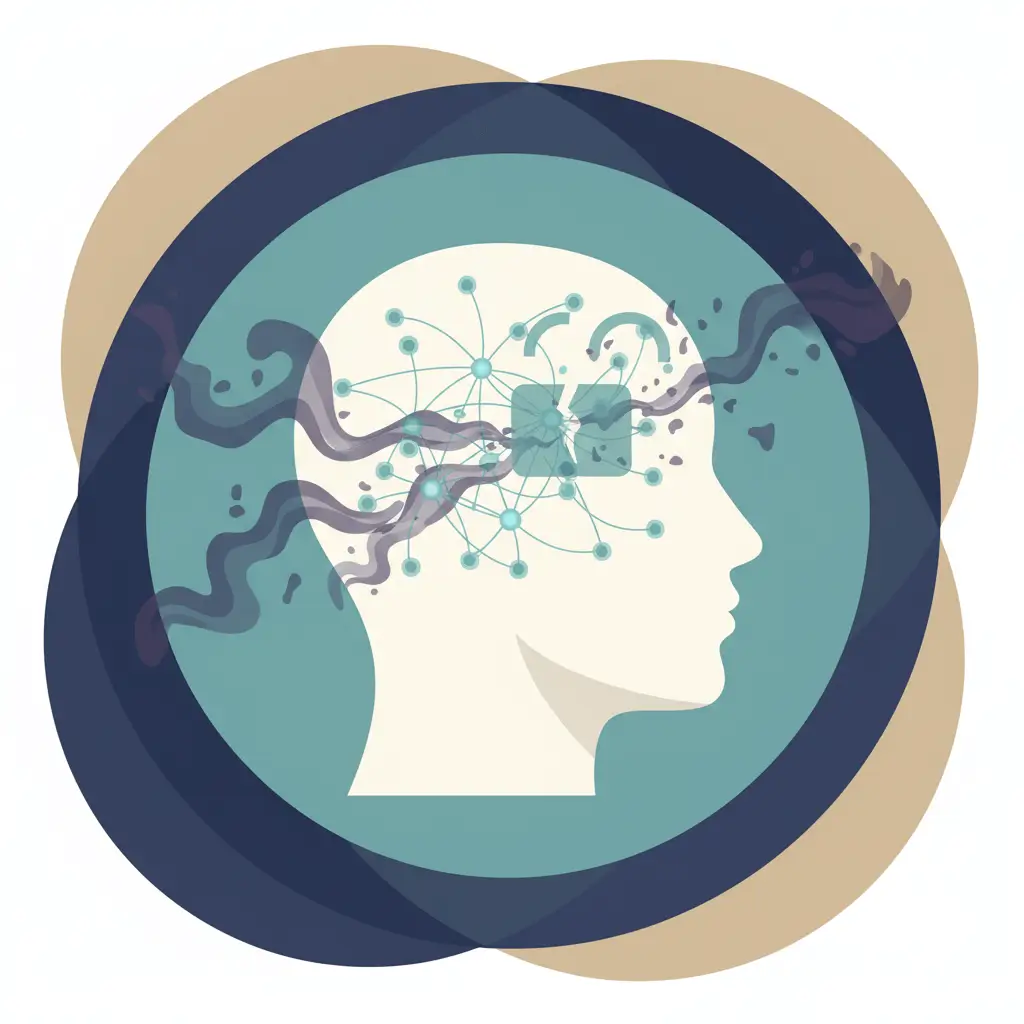
Your brain operates like a sophisticated filing system, with two primary regions handling the heavy lifting of memory formation. The hippocampus acts as your brain's librarian, deciding which experiences deserve permanent storage and organizing new information for long-term keeping. Meanwhile, the prefrontal cortex functions as your mental workspace, juggling immediate thoughts and connecting new information to existing knowledge.
When these regions work in harmony, you can effortlessly recall your childhood address, remember where you left your keys, and learn new skills. But substances can throw this delicate system into chaos, disrupting the communication between these critical brain areas.
Neurotransmitter Disruption
Think of neurotransmitters as your brain's chemical messengers, carrying vital information between brain cells. Three key players govern memory function: dopamine drives motivation and reward-based learning, serotonin regulates mood and memory consolidation, and acetylcholine powers attention and new memory formation.
Drugs act like hackers infiltrating this communication network. They either flood the system with artificial signals or block natural messages from getting through. This disruption doesn't just affect how you feel in the moment—it fundamentally alters how your brain processes and stores information.
Short-Term vs. Long-Term Memory
Your memory operates on two distinct timelines, each vulnerable to substance-related damage in different ways. Short-term or working memory serves as your brain's scratch pad, holding information briefly while you use it—like remembering a phone number long enough to dial it. This system has limited capacity and requires constant maintenance to function properly.
Long-term memory, by contrast, represents your brain's permanent archive. It houses everything from your first kiss to your professional skills, storing information that can last a lifetime when properly maintained. The transfer from short-term to long-term memory requires specific brain processes that many substances can interrupt or prevent entirely.
What makes this particularly concerning is that damage to these systems often goes unnoticed initially. You might dismiss forgotten conversations as distraction or attribute difficulty concentrating to stress, never realizing that substances are systematically undermining your cognitive foundation.
Drugs and Their Specific Effects on Memory
Alcohol: The Memory Thief

Alcohol stands as perhaps the most socially accepted memory disruptor in our society. Its effects on cognition are both immediate and cumulative, making it particularly dangerous for long-term brain health. Even moderate drinking can interfere with memory consolidation—the process where your brain transfers information from temporary to permanent storage.
The notorious "blackout" represents alcohol's most extreme assault on memory formation. During these episodes, your brain simply stops recording new memories while you remain conscious and active. Many people at Prescott House arrive believing these blackouts are harmless "party stories," only to discover they indicate serious disruption to critical brain functions.
Chronic alcohol use creates more insidious problems. Regular drinking gradually shrinks brain tissue, particularly in areas responsible for executive function and memory. This atrophy can continue for months after someone stops drinking, though fortunately, the brain shows remarkable capacity for recovery with sustained sobriety.
Cannabis: The Concentration Killer
Cannabis affects memory through its interaction with the endocannabinoid system, which naturally regulates mood, appetite, and cognitive function. THC, the plant's primary psychoactive component, binds to receptors heavily concentrated in the hippocampus, directly interfering with memory formation during use.
The "cannabis fog" that users often report isn't just imagination—it represents measurable impairment in working memory and attention. Regular users frequently struggle with encoding new information, meaning experiences during intoxication may never properly transfer to long-term memory storage.
What concerns many researchers is cannabis's impact on motivation and learning drive. The drug can reduce activity in brain circuits responsible for goal-directed behavior, making it harder to engage in the focused attention necessary for forming strong memories. This creates a cycle where memory problems compound over time as learning opportunities are missed or poorly processed.
Stimulants: The Double-Edged Sword
Stimulants like cocaine, methamphetamine, and prescription drugs such as Adderall create a complex relationship with memory function. Initially, these substances can enhance certain types of memory by increasing focus and alertness. Users often report improved concentration and seemingly better learning capacity during early use.
However, this apparent enhancement comes at a steep cost. Stimulants flood the brain with dopamine, eventually depleting natural stores and requiring higher doses to achieve the same effects. As tolerance develops, the cognitive benefits disappear while memory problems intensify.
Methamphetamine proves particularly devastating to memory systems. The drug causes direct neurotoxicity, literally poisoning brain cells in regions critical for memory formation. Users often develop what researchers call "meth mouth brain"—severe cognitive impairment affecting memory, decision-making, and learning that can persist long after stopping use.
Benzodiazepines: The Quiet Erasers
Benzodiazepines like Xanax, Ativan, and Valium work by enhancing GABA, the brain's primary inhibitory neurotransmitter. While this action reduces anxiety and promotes sleep, it also significantly impairs memory formation. These medications can prevent new memories from forming entirely, creating periods of amnesia that users may not even realize they're experiencing.
The memory problems associated with benzodiazepines often develop gradually, making them particularly insidious. Users might initially notice slight forgetfulness or difficulty concentrating, dismissing these symptoms as stress-related. Over time, the impairment becomes more pronounced, affecting both personal and professional functioning.
Perhaps most concerning is that benzodiazepine-induced memory problems can persist for months after discontinuation, especially when stopping abruptly. The brain requires time to restore natural GABA function, during which memory consolidation remains impaired.
Warning Signs: When to Be Concerned About Memory Loss
Recognizing the Early Indicators
Memory loss related to substance use rarely announces itself dramatically. Instead, it typically begins with subtle changes that are easy to rationalize or dismiss. You might find yourself struggling to follow conversations, losing track of what you were saying mid-sentence, or repeatedly asking the same questions without remembering the answers.
Pay attention to changes in your ability to learn new information. If you find yourself needing multiple exposures to remember simple facts or instructions that you would have grasped immediately before, this could indicate substance-related cognitive impairment. Similarly, difficulty remembering recent events while retaining clear memories of distant past experiences often signals problems with new memory formation.
Professional and academic performance frequently provide early warning signs. Missed deadlines, forgotten meetings, or difficulty following complex instructions that were once routine may indicate more than just distraction or stress. At Prescott House, we often see individuals who initially attributed declining work performance to external pressures, only to discover that substance use was undermining their cognitive abilities.
Physical and Emotional Correlates
Memory problems associated with substance use often accompany other changes in brain function. Mood swings, increased irritability, or difficulty regulating emotions may indicate that substances are affecting multiple brain systems simultaneously. Sleep disturbances, particularly problems with deep sleep necessary for memory consolidation, frequently accompany substance-related memory issues.
Changes in decision-making capacity also warrant attention. If you find yourself making impulsive choices that you later regret or struggle to learn from negative consequences, this might indicate impairment in the prefrontal cortex regions that coordinate memory with executive function.
Conclusion: Your Memory, Your Future, Your Choice
The relationship between substance use and memory loss represents one of addiction's most insidious consequences—one that often goes unrecognized until significant damage has occurred. Throughout this exploration, we've uncovered how different substances systematically disrupt your brain's sophisticated memory networks, from alcohol's theft of new experiences to benzodiazepines' quiet erasure of daily events.
The key takeaway isn't meant to frighten, but to empower. Understanding that your forgotten conversations, missed appointments, and growing mental fog may stem from substance use provides a pathway to reclaiming your cognitive health. Whether you're struggling with prescription medication dependence, recreational drug use, or alcohol consumption, recognizing these warning signs represents the crucial first step toward recovery.
Perhaps most importantly, remember that substance-related memory loss often proves reversible. Your brain possesses remarkable healing capacity when given the opportunity to recover. At Prescott House, we've witnessed countless individuals rediscover their mental clarity, rebuild their professional capabilities, and reconnect with family members as their cognitive function returns through sustained sobriety and proper treatment.
The journey from memory impairment back to mental clarity isn't always straightforward, and it shouldn't be traveled alone. Professional support can make the difference between struggling with withdrawal symptoms while trying to rebuild your cognitive function and having experienced guides who understand both the medical and emotional aspects of recovery.
If you recognize yourself in any of these descriptions—if you've been dismissing memory problems as stress or aging while substances remain part of your daily routine—consider this your invitation to explore a different path. Your memory, your relationships, and your future self deserve the investment in recovery.
Don't let another day of forgotten moments slip away. Contact Prescott House today to speak with our compassionate team about how our comprehensive addiction treatment programs can help you reclaim not just your sobriety, but your cognitive clarity and peace of mind. Your brain's remarkable capacity for healing is waiting—you just need to give it the chance.
References
- Reversible Brain Mechanism Explains Memory Loss from Drug Abuse - Neuroscience News
- Effects of alcohol on memory - Wikipedia
At Prescott House, Recovery Becomes Reality
Substance-induced memory loss, "brain fog," and cognitive impairment rarely resolve overnight; the brain requires time, proper nutrition, and a stress-free environment to repair neural pathways. At Prescott House in Prescott, Arizona, we understand that reclaiming your mental clarity is just as important as putting down the substance. We help men navigate the complexities of cognitive recovery through long-term, evidence-based treatment that addresses the physical, neurological, and emotional toll of addiction.
- Long-Term Addiction Treatment for Men — Extended care is critical for cognitive repair. Our structured environment gives the brain the necessary time to heal from neurotoxicity and restore executive function.
- Substance Abuse Treatment — Comprehensive clinical care for dependence on alcohol, benzodiazepines, stimulants, and other substances that impact memory and learning centers.
- Gambling Addiction Treatment — Specialized support for men struggling with the compulsive behaviors and decision-making deficits associated with process addictions.
- Sex & Process Addiction Programs — Compassionate, non-judgmental treatment for compulsive sexual behavior, helping men rebuild healthy intimacy and focus.
- Dual Diagnosis Treatment — Integrated treatment for co-occurring disorders. Cognitive struggles are often intertwined with anxiety, depression, or trauma, requiring a holistic approach to heal both mind and memory.
👉 Learn more about our programs →