Understanding the Methamphetamine High
Methamphetamine stands as one of the most powerful and dangerous stimulants available today, producing an intense high that can trap users in a devastating cycle of addiction. The drug's effects extend far beyond the initial rush, creating a complex timeline of euphoria followed by severe physical and psychological consequences.
Understanding how long a meth high lasts isn't just academic knowledge—it's crucial information for recognizing the serious risks involved and knowing when to seek help. The duration and intensity of methamphetamine's effects make it particularly dangerous, as users often find themselves caught in extended periods of impaired judgment and risky behavior.
This comprehensive guide breaks down the timeline of a meth high, from the initial rush through the inevitable crash. We'll explore what influences these effects and examine the serious short-term and long-term consequences for both physical and mental health. At Prescott House, we've witnessed firsthand how understanding these patterns can be the first step toward recovery for many individuals struggling with methamphetamine addiction.
How Long Does the High from Meth Last?

The methamphetamine experience unfolds in distinct phases, each with its own timeline and characteristics. The initial intense "rush" typically lasts up to 30 minutes, delivering an immediate flood of euphoria and energy that hooks many users from their first experience.
Following this initial rush comes what users often call "the shoulder"—a sustained euphoric high that can persist anywhere from 4 to 16 hours. This extended duration sets methamphetamine apart from other stimulants and contributes significantly to its addictive potential.
Recent research suggests that meth's effects can actually linger in the system for up to 24 hours, meaning users may experience residual effects long after the primary high subsides. This extended timeline creates a dangerous window where judgment remains impaired and risky decisions become more likely.
When compared to other stimulants like cocaine, which typically produces a high lasting 30 minutes to 2 hours, methamphetamine's prolonged effects become particularly concerning. This extended duration means users remain under the influence for significantly longer periods, increasing the risk of dangerous behaviors and health complications.
Factors That Influence the Duration and Intensity of a Meth High
Several critical factors determine how long and how intensely someone will experience methamphetamine's effects, making each use unpredictable and potentially more dangerous than the last.
Method of Use
The way someone consumes methamphetamine dramatically affects both the intensity and duration of the high. Smoking or injecting the drug produces a faster, more intense rush as it reaches the brain within seconds. However, these methods may result in a shorter overall high duration, often leading users to redose more frequently.
Snorting or swallowing methamphetamine creates a slower onset but can extend the high for up to half a day. This delayed but prolonged effect can be particularly deceptive, as users may consume additional doses before the full effects of their initial use become apparent.
Dosage and Purity
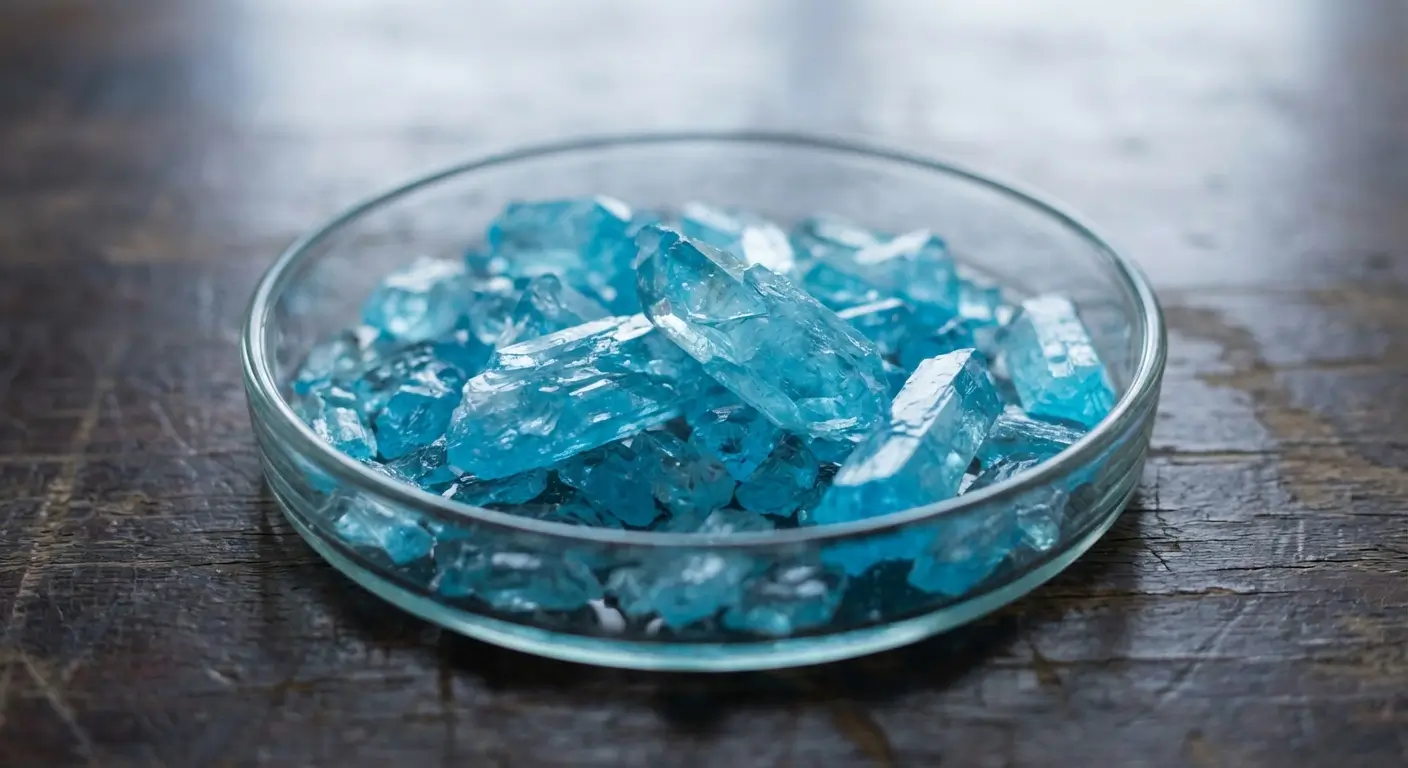
Higher doses and purer forms of methamphetamine—such as crystal meth—create longer-lasting and more intense highs. The challenge lies in the unpredictable nature of street drugs, where potency can vary wildly and dangerous additives are common.
Street methamphetamine frequently contains other substances that can alter or extend its effects unpredictably. This uncertainty makes each use essentially a gamble with potentially fatal consequences, as users never truly know what they're consuming or how their body will react.
Individual Tolerance and Physiology
Personal factors play a crucial role in determining how methamphetamine affects each individual. Body weight, metabolism, overall health, and genetic factors all influence how quickly the drug is processed and eliminated from the system. Someone with a faster metabolism might experience a shorter high, while those with slower metabolic rates could remain under the influence for extended periods.
Age significantly impacts methamphetamine's effects as well. Older adults typically process drugs more slowly, meaning the high can last longer and recovery takes more time. Conversely, younger users may metabolize the drug more quickly but often face greater risks due to impulsive decision-making and less life experience managing dangerous situations.
Tolerance development creates a particularly dangerous cycle. Regular users often find they need increasingly larger doses to achieve the same high, which extends the duration of effects and amplifies all associated risks. At Prescott House, we've worked with individuals who described needing to use methamphetamine every few hours just to feel "normal," illustrating how tolerance can trap users in a constant cycle of use.
Frequency of Use and Polysubstance Abuse
The pattern of methamphetamine use dramatically affects how long effects persist. Binge use—consuming the drug repeatedly over days or weeks—can create what's known as a "run." During these periods, users may remain high for days at a time, with effects compounding and extending far beyond what single-use would produce.
Combining methamphetamine with other substances creates unpredictable and often dangerous interactions. Alcohol, for instance, can mask some of methamphetamine's stimulating effects while extending its duration. Other stimulants can amplify the high but also increase the risk of overdose. Depressants like benzodiazepines or opioids create complex interactions that can be particularly lethal, as they may hide overdose symptoms until it's too late.
The Phases of a Meth High: A Detailed Timeline
The Rush (0-30 minutes)
The initial phase of a methamphetamine high begins within seconds to minutes of use, depending on the method of consumption. Users describe this rush as an intense wave of euphoria accompanied by a surge of energy and confidence. Heart rate and blood pressure spike dramatically during this phase, creating immediate cardiovascular risks even for first-time users.
Physical symptoms during the rush include dilated pupils, increased body temperature, and rapid breathing. Many users report feeling invincible or capable of accomplishing anything during this phase. This false sense of capability often leads to poor decision-making and risky behaviors that can have lasting consequences.
The intensity of the rush can be overwhelming, particularly for new users. Some individuals experience anxiety or panic during this phase, while others become hyperfocused on repetitive tasks. The brain's reward system floods with dopamine at levels far exceeding natural experiences, creating the neurochemical foundation for addiction.
The Shoulder (30 minutes to 16+ hours)
Following the initial rush, users enter what's known as the shoulder phase—a sustained period of heightened alertness and perceived energy. This phase can last anywhere from 4 to 16 hours, making it significantly longer than the effects of most other drugs. During this time, users may feel highly productive, talkative, and socially confident.
However, this apparent productivity is often illusory. While users may feel highly focused, they typically engage in repetitive, meaningless tasks or become obsessively fixated on particular activities. Sleep becomes impossible during this phase, and appetite disappears almost entirely, leading to rapid weight loss and nutritional deficiencies with regular use.
The extended duration of the shoulder phase contributes significantly to methamphetamine's addictive potential. Unlike shorter-acting stimulants that require frequent redosing, methamphetamine's prolonged effects can make users feel functional for extended periods, masking the drug's devastating impact on their health and life.
The Crash (12-72 hours)
The inevitable crash follows as methamphetamine leaves the system, often creating effects that are as intense as the high itself but in the opposite direction. Users experience profound exhaustion, severe depression, and intense cravings for more of the drug. This crash can last anywhere from 12 to 72 hours, depending on the duration and intensity of the previous high.
During the crash phase, users may sleep for 12-24 hours straight as their body attempts to recover from the extended period of artificial stimulation. When they wake, many report feeling worse than before they used, creating a powerful psychological incentive to use again just to feel normal.
The crash isn't just psychological—it represents real neurochemical changes in the brain. Dopamine levels plummet below baseline, creating anhedonia (inability to feel pleasure) that can persist for weeks or months. This biological aspect of the crash helps explain why methamphetamine addiction is so difficult to overcome without professional treatment and support.
Short-Term Effects and Health Risks During the High
The immediate health risks during a methamphetamine high are severe and can be life-threatening, even for young, healthy individuals. Understanding these risks is crucial for recognizing medical emergencies and the serious nature of methamphetamine use.
Cardiovascular complications represent one of the most serious immediate dangers. Methamphetamine causes blood vessels to constrict while dramatically increasing heart rate and blood pressure. This combination can lead to heart attacks, strokes, or dangerous arrhythmias at any point during the high. These cardiovascular effects can occur with first use and aren't limited to long-term users.
Hyperthermia—dangerous elevation of body temperature—is another critical risk during methamphetamine use. The drug interferes with the body's ability to regulate temperature while simultaneously increasing physical activity and reducing awareness of overheating. This can lead to heat stroke, organ failure, and death, particularly in warm environments or during physical activity.
Breaking the Cycle: Recovery is Possible
Understanding the timeline and devastating effects of a methamphetamine high reveals a sobering truth: what begins as a 30-minute rush transforms into hours of artificial euphoria, followed by days of crushing withdrawal, and potentially years of health consequences. The extended duration of methamphetamine's effects—lasting up to 16 hours or more—sets it apart from other stimulants and creates a particularly dangerous trap for users.
The factors that influence how long a meth high lasts—method of use, dosage, individual physiology, and tolerance—demonstrate that each use is unpredictable and potentially more dangerous than the last. Whether someone smokes, snorts, or injects methamphetamine, the cardiovascular risks, hyperthermia dangers, and psychological complications can be life-threatening from the very first use.
Perhaps most concerning is how the extended timeline of effects contributes to methamphetamine's addictive potential. The long-lasting shoulder phase can create an illusion of functionality while the inevitable crash drives users back to the drug just to feel normal again. This cycle, combined with the severe withdrawal symptoms that can persist for weeks or months, illustrates why professional treatment is essential for recovery.
At Prescott House, we've seen countless individuals break free from methamphetamine addiction, even after years of use. Recovery begins with understanding the reality of what the drug does to your body and mind—and recognizing that the temporary high is never worth the devastating consequences that follow.
If you or someone you care about is struggling with methamphetamine use, know that help is available and recovery is possible. The cycle of seeking that fleeting high, followed by the inevitable crash and increasing health risks, doesn't have to continue. Professional treatment programs offer medically supervised detox, therapy, and ongoing support to help rebuild your life beyond addiction.
Don't let methamphetamine steal another day from your life.Call Prescott House today at (866) 425-2470 to speak with our compassionate treatment professionals about starting your journey to recovery. Your future self will thank you for taking this crucial first step toward healing and hope.
References
- Methamphetamine - StatPearls - NCBI Bookshelf - NIH
- Stages of Meth Use | Methamphetamine: Implications for the Dental Team - Dentalcare.com
At Prescott House, Healing the "Meth Brain" is Possible
Methamphetamine is notoriously hard on the central nervous system, often leaving men feeling "scattered," paranoid, or unable to remember basic details. This isn't just exhaustion—it’s neurotoxicity. The brain’s dopamine receptors and structural pathways have been overstimulated and damaged, and they don't reset the moment detox ends.
At Prescott House in Prescott, Arizona, we specialize in the long-term stabilization required to reverse these effects. We provide the time, structure, and clinical expertise necessary for the brain to rewire itself, helping men transition from the chaos of meth use to a life of sustained mental sharpess.
- Long-Term Addiction Treatment for Men — Short-term programs often end just as the "brain fog" begins to lift. Our long-term model gives the brain the months—not weeks—it needs to restore cognitive flexibility and emotional regulation.
- Substance Abuse Treatment — Meth uniquely depletes the brain's reward system. Our clinical team uses evidence-based protocols to manage the profound depression and lethargy that often follow stimulant cessation.
- Gambling Addiction Treatment — Specialized support for men struggling with the compulsive behaviors and decision-making deficits associated with process addictions.
- Sex & Process Addiction Programs — Compassionate, non-judgmental treatment for compulsive sexual behavior, helping men rebuild healthy intimacy and focus.
- Dual Diagnosis Treatment —Methamphetamine use is frequently intertwined with underlying trauma, ADHD, or mood disorders. We treat the addiction and the co-occurring mental health challenges simultaneously to prevent relapse.
👉 Learn more about our programs →