Introduction: Thinking of Stopping Buspirone? Here's What You Need to Know
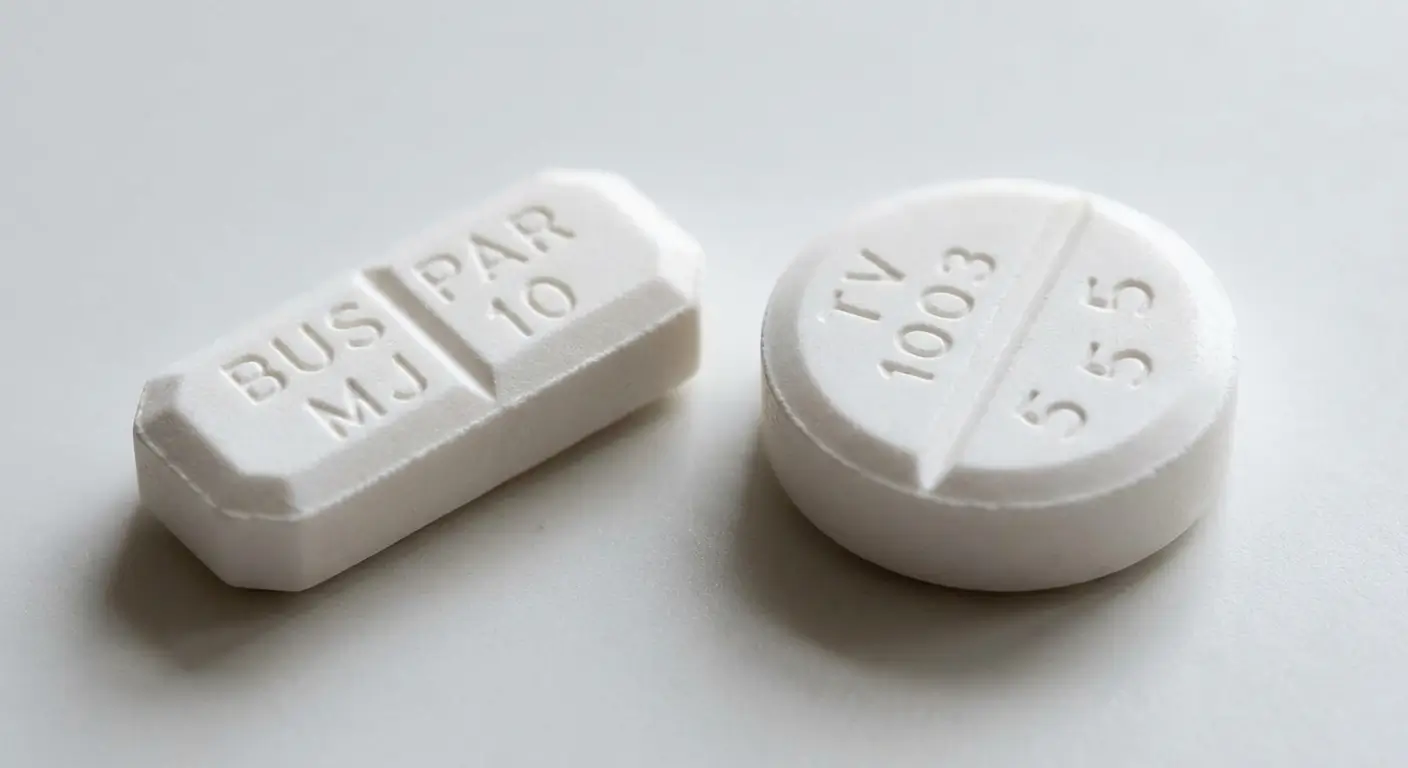
Here's something that might surprise you: while buspirone (formerly known by its brand name Buspar) isn't considered addictive in the traditional sense, stopping it can still leave you feeling like you've been hit by a truck. Many people assume that because it's "safer" than other anxiety medications, they can simply stop taking it without consequences. Unfortunately, your brain doesn't always get that memo.
Buspirone is an anti-anxiety medication that works differently from benzodiazepines like Xanax or Ativan. Instead of acting on GABA receptors, it influences serotonin pathways in your brain. This unique mechanism makes it less likely to cause physical dependence, but it doesn't make discontinuation symptoms impossible.
This guide will walk you through everything you need to know about buspirone withdrawal. We'll cover the symptoms you might experience, when they typically occur, and most importantly, how to work with your doctor to discontinue the medication safely. Think of this as your roadmap for navigating what can be an uncomfortable but manageable process.
Understanding Buspirone Withdrawal: Why Does It Happen?
Your brain is remarkably adaptable, but it doesn't like sudden changes. When you take buspirone regularly, your brain adjusts its natural neurotransmitter production to accommodate the medication's presence. It's like having a dance partner who suddenly leaves the floor – you might stumble a bit while learning to dance solo again.
The withdrawal process occurs as your brain recalibrates its serotonin and other neurotransmitter systems. This readjustment period can cause temporary symptoms as your neural pathways find their new normal.
What makes buspirone different from medications like benzodiazepines is that it carries a significantly lower risk of severe withdrawal symptoms. However, "lower risk" doesn't mean "no risk." The intensity and likelihood of experiencing withdrawal symptoms depend on several key factors.
Factors That Influence Your Withdrawal Experience
Your personal withdrawal journey depends on multiple variables. Higher doses and longer treatment periods typically increase both the likelihood and intensity of symptoms. If you've been taking 30mg daily for two years, you'll likely have a different experience than someone who took 10mg for three months.
Individual metabolism plays a crucial role too. Your liver and kidney function affect how quickly buspirone leaves your system. Some people are naturally fast metabolizers, while others process medications more slowly. This biological difference can influence both the timing and severity of withdrawal symptoms.
Perhaps most importantly, how you stop taking the medication matters enormously. Going "cold turkey" – stopping abruptly without tapering – significantly increases your risk of experiencing stronger withdrawal effects. At Prescott House, we've seen countless individuals who thought they could handle stopping their medications suddenly, only to find themselves struggling with symptoms that could have been avoided with proper medical guidance.
The good news is that understanding these factors puts you in a better position to plan a successful discontinuation strategy with your healthcare provider.
Common Buspirone Withdrawal Symptoms: What to Expect
While buspirone withdrawal is generally milder than what you might experience with other psychiatric medications, the symptoms are real and can be genuinely disruptive to your daily life. Understanding what you might encounter helps you prepare mentally and practically for the discontinuation process.
Physical Symptoms

The most commonly reported physical symptoms include headaches that can range from mild tension-type pain to more intense episodes that interfere with your concentration. Many people describe these as different from their usual headaches – they often feel more persistent and don't respond as well to typical over-the-counter pain relievers.
Dizziness and lightheadedness frequently occur, particularly during the first week after reducing or stopping buspirone. This can be especially noticeable when you stand up quickly or change positions. Some individuals also report a sensation that feels like mild vertigo or being slightly off-balance.
Sleep disturbances represent another significant category of physical symptoms. You might find yourself lying awake despite feeling physically tired, experiencing more vivid or unusual dreams, or waking up frequently throughout the night. Some people describe their sleep as feeling less restorative during withdrawal, even when they manage to get adequate hours.
Gastrointestinal symptoms, while less common, can include mild nausea, changes in appetite, or occasional stomach upset. These symptoms are typically manageable but can add to the overall discomfort during the adjustment period.
Emotional and Psychological Symptoms
Perhaps more challenging than the physical symptoms are the emotional changes that can occur during buspirone withdrawal. Many people experience a return of anxiety symptoms – sometimes at levels that feel more intense than before they started the medication. This phenomenon, called "rebound anxiety," can be particularly distressing because it might make you question whether stopping the medication was the right decision.
Mood changes are common and can include increased irritability, emotional sensitivity, or periods of feeling down or overwhelmed. At Prescott House, we often explain to clients that these emotional fluctuations are temporary – your brain is essentially relearning how to regulate mood and anxiety without pharmaceutical assistance.
Concentration difficulties frequently surface during withdrawal. You might find it harder to focus on work tasks, follow conversations, or even watch television shows. This cognitive fog usually improves as your brain chemistry stabilizes, but it can be frustrating in the short term.
Some individuals report increased emotional reactivity – crying more easily, feeling overwhelmed by situations that normally wouldn't bother them, or having stronger reactions to stress. Remember, these responses are part of your nervous system recalibrating, not permanent changes to your personality.
The Buspirone Withdrawal Timeline: When Symptoms Begin and End
Understanding the typical timeline for buspirone withdrawal helps you set realistic expectations and plan accordingly. However, remember that everyone's experience is unique, and your timeline might vary from these general patterns.
Days 1-3: The Initial Phase
Most people begin noticing withdrawal symptoms within 24 to 72 hours after their last dose or after significantly reducing their dosage. Buspirone has a relatively short half-life of about 2-3 hours, which means it leaves your system fairly quickly. This rapid clearance can trigger the onset of withdrawal symptoms sooner than with longer-acting medications.
During these first few days, anxiety symptoms often return first, followed by physical symptoms like headaches and dizziness. Sleep disturbances typically begin during this period as well. The intensity during this phase varies widely – some people experience mild discomfort, while others find the symptoms more challenging to manage.
Days 4-14: Peak Symptom Period
The second week often represents the peak intensity period for withdrawal symptoms. This is when your brain is working hardest to readjust its neurotransmitter balance. Anxiety levels might feel heightened, concentration problems can be most noticeable, and physical symptoms like headaches might persist or fluctuate in intensity.
Don't be discouraged if you feel worse during this period – it's actually a sign that your brain is actively working to find its new equilibrium. Many people find it helpful to clear their schedules somewhat during this time, avoiding major stressors or commitments when possible.
Weeks 3-6: The Gradual Improvement Phase
Most people begin experiencing significant improvement during the third and fourth weeks. Symptoms typically become less intense and less frequent. You might have good days mixed with more challenging ones, which is completely normal. Sleep often begins normalizing during this period, and concentration gradually improves.
By week six, the majority of people report feeling substantially better, though some mild symptoms might occasionally resurface, especially during times of stress. This is your brain's way of continuing its adjustment process.
It's worth noting that protracted withdrawal – symptoms lasting longer than six weeks – is possible but uncommon with buspirone. If you're still experiencing significant symptoms after two months, it's important to work closely with your healthcare provider to rule out other causes and adjust your support strategies accordingly.
Conclusion: Your Journey to Safe Discontinuation
Stopping buspirone doesn't have to be a journey you navigate alone or unprepared. While withdrawal symptoms are possible, they're typically manageable and temporary when approached with the right strategy and professional guidance. The key takeaway from everything we've discussed is that preparation and patience make all the difference in your discontinuation experience.
Remember that buspirone withdrawal, while uncomfortable, is generally milder and shorter-lived than withdrawal from many other psychiatric medications. Most people find that their symptoms peak within the first two weeks and gradually improve over the following month. Your brain's remarkable ability to adapt and rebalance itself means that the temporary discomfort you might experience during withdrawal is actually a sign of healing and readjustment.
The most important step you can take is working with your healthcare provider to develop a personalized tapering schedule. This collaborative approach significantly reduces your risk of experiencing severe withdrawal symptoms and provides you with professional support throughout the process. Never attempt to stop buspirone abruptly or without medical supervision – the few weeks of gradual reduction can prevent weeks or months of unnecessary discomfort.
During the withdrawal process, be patient and compassionate with yourself. Your body and brain are doing important work to find their new balance. Temporary symptoms like increased anxiety, sleep difficulties, or concentration problems don't mean you're moving backward – they're natural parts of the readjustment process that will resolve as your system stabilizes.
If you're considering discontinuing buspirone or any other psychiatric medication, professional support can make the difference between a challenging experience and a manageable transition. At Prescott House, we understand that medication changes can be anxiety-provoking, especially when you're already dealing with anxiety or mood concerns. Our experienced medical team works closely with individuals to develop safe, comfortable tapering protocols while providing the therapeutic support needed during this vulnerable time.
Don't let fear of withdrawal symptoms keep you trapped in a medication regimen that no longer serves you, but don't attempt the journey without proper support either. Your mental health journey is unique, and you deserve personalized care that honors your individual needs and circumstances.
If you're ready to explore your options for safely discontinuing buspirone or need support during the withdrawal process, we're here to help. Contact Prescott House at (866) 425-2470 to speak with our admissions team about how our comprehensive approach to mental health care can support you through this transition. Your journey toward optimal mental health – with or without medication – is possible, and it starts with taking that first step toward professional support.
References
Related Articles
- L484 Pill: Uses, Side Effects, and Identification Guide
- What Are M367 Pills? Analyzing the Uses and Risks
- AN 627 Pill Identifier: Uses, Side Effects, and Risks of This Tramadol Pill
- M365 White Oblong Pill: Uses, Side Effects, and Risks Explained
At Prescott House, Recovery Becomes Reality
Misusing prescription pills — including hydrocodone, oxycodone, Vicodin, Norco, and other opioid medications — can quickly lead to dependence, withdrawal symptoms, and escalating cycles of addictive behavior. At Prescott House in Prescott, Arizona, we help men break free from substance dependence through long-term, evidence-based treatment that addresses both addiction and co-occurring mental health issues.
Explore Our Specialized Programs:
- Long-Term Addiction Treatment for Men — Extended care and structured support designed for men seeking lasting recovery from opioid and prescription drug addiction.
- Substance Abuse Treatment — Comprehensive clinical care for alcohol and drug dependence, including prescription pain medication misuse.
- Gambling Addiction Treatment — Support for men struggling with compulsive gambling and accompanying behavioral challenges.
- Sex & Process Addiction Programs — Compassionate treatment for compulsive sexual behavior and pornography addiction.
- Dual Diagnosis Treatment — Integrated mental health and addiction treatment for anxiety, depression, trauma, and co-occurring disorders.
👉 Learn more about our programs →