Klonopin vs. Xanax: Which is Right for You?
Klonopin and Xanax are two of the most commonly prescribed benzodiazepines for anxiety and panic disorders, but they are not interchangeable. Walk into any doctor's office with anxiety symptoms, and chances are high you'll leave with one of these prescriptions. Yet many patients—and surprisingly, some healthcare providers—treat these medications as if they're identical twins when they're more like distant cousins who happen to work in the same family business.
The reality is that choosing between Klonopin and Xanax can significantly impact your treatment outcomes, daily functioning, and long-term health. This guide will break down the essential differences and similarities to help you understand these medications better, empowering you to have more informed conversations with your healthcare provider.
What are Klonopin and Xanax?
Both medications belong to the benzodiazepine family, a class of drugs that work by enhancing the effects of GABA (gamma-aminobutyric acid), a neurotransmitter that calms the central nervous system. Think of GABA as your brain's natural brake pedal—it slows down racing thoughts and reduces the physical symptoms of anxiety. Benzodiazepines essentially make that brake pedal more sensitive, allowing smaller amounts of GABA to have greater calming effects.
Klonopin (Clonazepam)is primarily prescribed for panic disorder and certain types of seizure disorders, including Lennox-Gastaut syndrome. It's classified as a long-acting benzodiazepine, which means it stays in your system longer and provides extended relief. The medication was initially developed as an anti-seizure drug in the 1970s, but doctors quickly discovered its powerful anti-anxiety properties.
Xanax (Alprazolam)is primarily prescribed for generalized anxiety disorder (GAD) and panic disorder. As a short-acting benzodiazepine, it works quickly but requires more frequent dosing throughout the day. Xanax has become somewhat of a cultural phenomenon, often referenced in popular media, though this visibility has unfortunately contributed to both its therapeutic use and its potential for misuse.
Key Differences at a Glance: Klonopin vs. Xanax
The most crucial distinction between these medications lies in their timing—how quickly they work and how long they last in your system.
Onset and Duration of Action
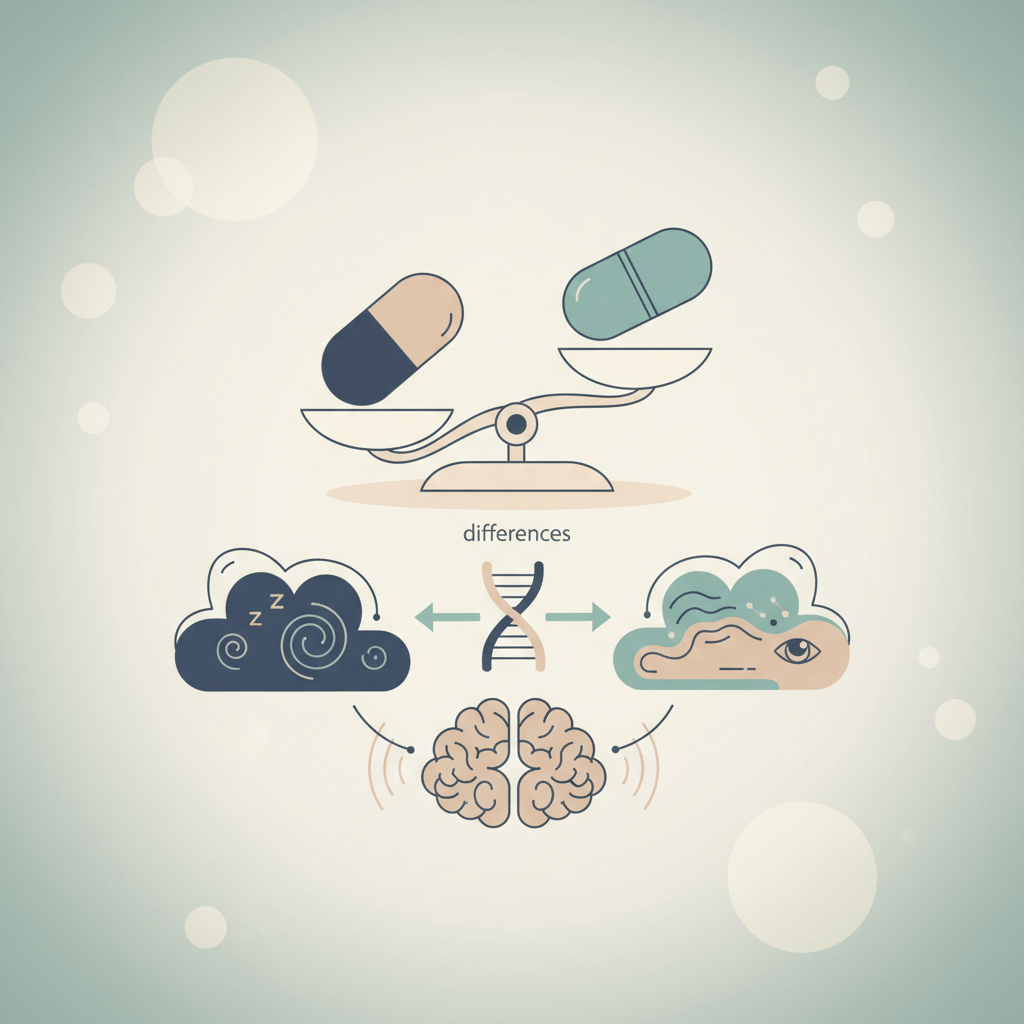
Xanaxworks quickly, typically within 30 to 60 minutes, making it highly effective for acute panic attacks when you need fast relief. However, its effects wear off relatively quickly, usually within 4 to 6 hours. This rapid onset can be both a blessing and a curse—while it provides quick relief, it can also create a cycle where patients feel they need frequent doses to maintain calm.
Klonopintakes longer to start working, sometimes up to an hour or more, but its effects can last for up to 12 hours or even longer in some individuals. This sustained action makes it more suitable for preventing anxiety throughout the day rather than responding to immediate crises. At Prescott House, we've observed that clients often prefer this steadier approach once they adjust to the medication, as it provides more consistent relief without the emotional rollercoaster that shorter-acting medications can create.
Medical Uses and Approved Indications
While both medications treat panic disorder, their additional approved uses differ significantly.Klonopinis FDA-approved for specific seizure disorders, making it a dual-purpose medication for individuals who experience both seizures and anxiety.Xanax, on the other hand, is specifically approved for generalized anxiety disorder, making it the go-to choice for persistent, everyday anxiety rather than just panic episodes.
Dosing and Administration
The dosing schedules for these medications reflect their different durations of action, and this can significantly impact your daily routine and quality of life.
Xanaxis typically prescribed in divided doses throughout the day due to its shorter duration. Most patients take it 2-3 times daily, with immediate-release tablets ranging from 0.25mg to 2mg. There's also an extended-release version (Xanax XR) that can be taken once or twice daily, though it's less commonly prescribed. The frequent dosing schedule means you need to be mindful about timing, especially if you're managing work, school, or other commitments.
Klonopinis usually taken 1-2 times per day, with doses ranging from 0.5mg to 2mg. Some patients can manage their anxiety with just a single daily dose, typically taken in the evening. This simpler dosing schedule can be particularly beneficial for people who struggle with medication adherence or who prefer not to think about their medication multiple times throughout the day.
At Prescott House, we've noticed that the dosing frequency can significantly impact a person's relationship with their medication. Some clients feel more in control taking Xanax as needed for specific situations, while others prefer Klonopin's "set it and forget it" approach that provides consistent background anxiety relief.
Effectiveness and Clinical Applications
Best Use Cases for Each Medication
Understanding when each medication shines can help you and your healthcare provider make the best choice for your specific situation.
Xanax excels in situations requiring rapid relief:
- Acute panic attacks:When you need fast relief from intense panic symptoms like racing heart, shortness of breath, or overwhelming fear
- Situational anxiety:Before specific events like public speaking, medical procedures, or flying
- Short-term anxiety management:During particularly stressful periods like job changes, relationship issues, or family crises
- Sleep induction:Some doctors prescribe it off-label for sleep issues, though this isn't its primary indication
Klonopin works best for sustained anxiety management:
- Panic disorder prevention:Reducing the frequency and intensity of panic attacks over time
- Seizure control:Managing certain types of epilepsy alongside anxiety symptoms
- Social anxiety:Providing steady confidence throughout social situations
- Chronic anxiety:When anxiety is a persistent, daily challenge rather than episodic
Clinical Evidence and Patient Outcomes
Research shows that both medications are highly effective for their intended uses, but they serve different roles in anxiety management. Studies consistently demonstrate that Xanax provides superior rapid relief for acute panic symptoms, with most patients experiencing significant improvement within the first hour of taking the medication.
Klonopin, meanwhile, shows excellent results in preventing panic attacks when taken consistently. Clinical trials have found that patients taking Klonopin experience fewer breakthrough panic episodes and report more stable mood throughout the day compared to those taking shorter-acting alternatives.
From our experience at Prescott House, we've observed that treatment success often depends on matching the medication to the person's lifestyle and anxiety patterns. Clients with unpredictable panic attacks often do better with Xanax's rapid onset, while those with constant, low-level anxiety frequently prefer Klonopin's steady presence.
Side Effects and Safety Considerations
Both medications carry similar side effect profiles, but the timing and intensity can vary significantly between them.
Common Side Effects
Shared side effects include:
- Drowsiness and sedation (most common)
- Dizziness and balance problems
- Memory difficulties, particularly short-term memory
- Coordination problems
- Confusion or brain fog
- Increased appetite and potential weight gain
The key difference lies in how these effects manifest. With Xanax, side effects tend to peak quickly and then fade as the medication wears off. You might feel very drowsy for a few hours after taking it, but then feel relatively clear-headed later. Klonopin's side effects are more sustained but often less intense at any given moment, creating a more consistent but potentially longer-lasting impact on your daily functioning.
Serious Risks and Warnings
Both medications carry a black box warning from the FDA regarding the risks of dependence, withdrawal, and potentially dangerous interactions with other central nervous system depressants like alcohol or opioids. These aren't risks to take lightly—they represent real, documented dangers that require careful medical supervision.
Respiratory depressionis a particular concern when either medication is combined with alcohol, opioids, or other sedating drugs. This combination can slow breathing to dangerous levels, potentially resulting in coma or death. The risk is present with both medications, but Klonopin's longer duration means the danger window extends much longer.
Cognitive impairmentaffects both medications but in different patterns. Xanax users might experience more pronounced short-term memory problems during peak effects, while Klonopin users may notice more subtle but persistent cognitive effects throughout the day.
Conclusion: Making an Informed Decision About Your Mental Health
The choice between Klonopin and Xanax isn't simply a matter of preference—it's a crucial medical decision that can significantly impact your quality of life, daily functioning, and long-term health outcomes. As we've explored throughout this guide, these medications serve different roles in anxiety management, each with distinct advantages and considerations.
Xanax offers rapid relief for acute panic attacks and situational anxiety, making it invaluable when you need fast-acting intervention. Its quick onset can provide the immediate peace of mind that panic sufferers desperately need. However, this same rapid action comes with increased risks of dependence and the potential for rebound anxiety between doses.
Klonopin provides sustained, steady relief that can prevent anxiety and panic episodes throughout the day. Its longer duration means fewer daily doses and more consistent symptom control, but it also means that side effects and the medication's presence in your system persist longer, requiring careful consideration of timing and activities.
Perhaps most importantly, both medications carry significant risks that cannot be ignored. The potential for dependence, withdrawal complications, and serious interactions with other substances are real concerns that require ongoing medical supervision. These aren't medications to experiment with or adjust on your own—they demand respect, caution, and professional oversight.
At Prescott House, we've witnessed countless individuals successfully navigate anxiety treatment with appropriate medication management, comprehensive therapy, and strong support systems. We've also seen the challenges that can arise when medications become part of the problem rather than the solution. The key lies in finding the right balance, maintaining open communication with healthcare providers, and never losing sight of the ultimate goal: reclaiming your life from anxiety.
Remember that medication is often just one piece of a comprehensive anxiety treatment plan. Cognitive-behavioral therapy, lifestyle modifications, stress management techniques, and support groups can all play crucial roles in your recovery. The most successful outcomes typically involve a multifaceted approach that addresses both the symptoms and the underlying patterns that contribute to anxiety.
If you're currently struggling with anxiety, panic attacks, or concerns about your medication use, don't wait to seek help. Whether you're just beginning to explore treatment options or you're worried about dependence on your current medication, professional support can make all the difference. At Prescott House, we specialize in helping individuals understand their treatment options, navigate medication challenges, and develop comprehensive strategies for long-term wellness.
Your mental health journey is unique, and you deserve personalized care that honors your individual needs, circumstances, and goals. Take the first step toward informed, comprehensive treatment—reach out to a qualified healthcare provider or mental health professional today. With the right support and treatment approach, anxiety doesn't have to define your life.
References
- Alprazolam (Xanax) | National Alliance on Mental Illness (NAMI)
- Clonazepam - Wikipedia
- Xanax: Uses, side effects, dosage, and interactions - Medical News Today
Related Xanax & Benzodiazepine Articles
- How Much Xanax Is Too Much? A Guide to Safe Use and Overdose Prevention — Learn dosage risks and how overdose can occur.
- Xanax Street Names: What You Need to Know About Alprazolam — Helps readers identify slang terms and hidden use.
- Dangerous Xanax Withdrawal Symptoms — Covers withdrawal signs, severity, and safety tips.
- How to Ease Xanax Withdrawal — Practical guidance on tapering and managing symptoms.
- Can You Detox from Benzos at Home? — Pros/cons of home detox vs supervised tapering.
- Benzodiazepines: Uses, Side Effects and Risks — Broad overview of benzos, their benefits, and dangers.
- Substance Abuse Treatment - If you or someone close to you is struggling with addiction to Xanax or any benzodiazepines we are here to help.