You've likely heard the term "zaza" dropping in your favorite rap songs, scrolling through social media feeds, or floating around in casual conversation. But what does this seemingly innocent slang actually mean? While most people associate "zaza" with premium, high-quality cannabis, there's a much darker side to this popular term that's flying under the radar. A dangerous synthetic drug has hijacked the same name, creating confusion that could have serious consequences.
This double identity of "zaza" represents more than just slang evolution—it's become a public health concern. Understanding both meanings isn't just about staying current with street terminology; it's about recognizing potential dangers that could affect you, your friends, or your loved ones. Let's dive deep into both sides of this linguistic coin to separate the cannabis culture from the chemical hazard.
The Popular Slang: Zaza as High-End Cannabis
The cannabis world loves its creative terminology, and "zaza" stands as one of the more colorful examples of how language evolves in drug culture. This term didn't appear overnight—it followed a linguistic journey that mirrors how slang naturally develops in communities.
Origin of the Term

The word "zaza" traces its roots back to "exotic," which cannabis enthusiasts used to describe rare, high-quality strains. Through the natural progression of slang, "exotic" got shortened to "za-tic," then simply "za," and eventually evolved into the more playful "zaza." This transformation reflects how communities create their own verbal shortcuts, especially when discussing topics that exist in legal gray areas.
Hip-hop and rap culture played a crucial role in popularizing this term. Artists began using "zaza" in their lyrics as a symbol of luxury and high status—similar to how they might reference expensive cars or designer clothes. When rappers talk about smoking "zaza," they're signaling that they can afford the finest cannabis available, not just any street-corner product.
What Makes Cannabis "Zaza"?
Not every cannabis product earns the "zaza" label. This designation comes with specific expectations that separate premium products from standard offerings.
High Potencystands as the primary qualifier. Zaza typically contains elevated THC levels that deliver intense effects. These aren't your grandfather's homegrown plants—modern cultivation techniques have pushed potency to levels that would surprise earlier generations of cannabis users.
Exotic Strainsrepresent another key characteristic. These are often rare genetics that might be difficult to find or expensive to cultivate. Think of limited-edition varieties that cannabis connoisseurs seek out specifically.
Appearance and Aromamatter significantly in the zaza category. Premium cannabis displays vibrant colors, dense crystalline structures, and distinctive scents that indicate careful cultivation and proper curing. The visual and olfactory experience becomes part of the product's appeal.
High Price Pointnaturally follows these quality markers. Zaza commands top-shelf pricing because it represents the luxury end of the cannabis market. Consumers expect to pay premium prices for premium products.
Common Strains Associated with Zaza
While "zaza" functions more as a quality descriptor than a specific strain name, certain varieties frequently earn this designation. Runtz, with its candy-like aroma and potent effects, often gets called zaza. Gelato strains, known for their dessert-inspired profiles and strong highs, commonly receive the label. Wedding Cake, another popular variety, fits the zaza category due to its potency and distinctive characteristics.
At Prescott House, we've noticed that individuals struggling with cannabis dependency often gravitate toward these high-potency products. The stronger the product, the more challenging it can become to moderate use—something worth considering as cannabis potency continues climbing.
The Dark Side: Zaza as a Synthetic Drug
While most people using the term "zaza" refer to premium cannabis, a dangerous impostor has emerged in the drug landscape. This synthetic substance shares nothing with cannabis except the hijacked name, creating a potentially deadly case of mistaken identity that's caught many users off guard.
What is Synthetic Zaza?
Synthetic zaza represents a class of laboratory-created drugs designed to mimic the effects of other substances, often opioids. Unlike cannabis, which comes from a natural plant, synthetic zaza gets manufactured in illegal labs using unknown chemicals and processes. The lack of quality control or regulation means users never know exactly what they're consuming.
These synthetic compounds often target the same brain receptors as prescription opioids, creating similar effects but with unpredictable potency and duration. What makes this particularly dangerous is that manufacturers constantly alter the chemical formulas to stay ahead of law enforcement, meaning the substance you encounter today might be completely different from what someone used last week.
The pills or powders sold as synthetic zaza frequently contain fentanyl, a synthetic opioid that's 50 to 100 times more potent than morphine. Even microscopic amounts can cause fatal overdoses, especially in users who expect a cannabis-like experience rather than an opioid high.
Regional Variations and Street Names
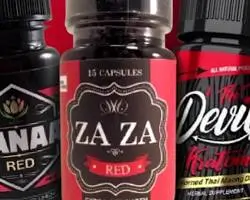
The synthetic drug market thrives on confusion, and "zaza" represents just one name in a constantly shifting vocabulary. In some regions, dealers sell these substances as "Tianna," "Za Za Red," or simply "gas station heroin"—the latter nickname highlighting how these products often appear in convenience stores and head shops.
Different areas might use completely different names for chemically similar substances. This geographic variation makes it nearly impossible for users to know what they're actually purchasing, even when they think they're familiar with a particular product. What's sold as "zaza" in one city might contain entirely different active ingredients than the same-named product in another location.
At Prescott House, we've encountered clients who initially thought they were using cannabis products, only to discover they'd been consuming synthetic opioids. The confusion around names and marketing has led to unintentional addiction and serious health consequences for people who never intended to use opioids.
Health Risks and Dangers
The health risks associated with synthetic zaza extend far beyond those of natural cannabis. These substances carry the full spectrum of opioid-related dangers, plus additional risks from unknown chemical compositions.
Overdose Riskrepresents the most immediate danger. Because users don't know the actual potency or contents of what they're consuming, accidental overdoses happen frequently. The presence of fentanyl in many synthetic products dramatically increases this risk, as fentanyl's effects can overwhelm even experienced drug users.
Rapid Physical Dependencedevelops much faster with synthetic opioids than with cannabis. Users who expect a casual cannabis experience may find themselves physically dependent within days or weeks of first use. The withdrawal symptoms can be severe and dangerous, requiring medical supervision.
Unknown Long-term Effectspresent another significant concern. Because these substances are constantly changing and haven't undergone safety testing, users become unwilling test subjects for untested chemicals. The long-term health consequences remain unknown, but early indicators suggest serious potential for organ damage and neurological problems.
Contamination and Adulterationadd additional layers of risk. Illegal labs don't follow pharmaceutical safety standards, meaning products may contain heavy metals, toxic solvents, or other harmful substances left over from the manufacturing process.
Legal Status and Law Enforcement Challenges
The legal landscape surrounding synthetic zaza creates additional complications for both users and law enforcement. Because manufacturers constantly alter chemical formulas, new variations often exist in legal gray areas until specific legislation catches up.
Many synthetic substances fall under the Federal Analogue Act, which prohibits drugs that are chemically similar to controlled substances. However, prosecuting these cases requires proving chemical similarity, which can be complex and time-consuming. Meanwhile, new variations continue appearing on the market.
State laws vary significantly in how they address synthetic drugs. Some states have implemented broad language to capture new synthetic substances quickly, while others must specifically list each chemical compound. This patchwork of legislation creates confusion about what's legal where, though users should assume that possessing these substances carries serious legal risks regardless of location.
From our experience at Prescott House, clients dealing with synthetic drug use often face complicated legal situations alongside their health challenges. The unpredictable nature of these substances means that possession charges can vary dramatically depending on what specific chemicals are found in a particular batch.
Staying Safe in a World of Confusing Slang
The term "zaza" perfectly illustrates how language evolution in drug culture can create dangerous confusion. What started as harmless slang for premium cannabis has been hijacked by the synthetic drug market, creating a linguistic minefield that puts users at serious risk. Understanding this dual identity isn't just about staying current with street terminology—it's about protecting yourself and your loved ones from potentially life-threatening misunderstandings.
The key takeaways from our exploration are clear: when someone mentions "zaza," context matters everything. In cannabis culture, it signals high-quality, potent marijuana products that command premium prices and deliver intense effects. However, in other contexts, it could refer to dangerous synthetic substances like tianeptine that carry serious addiction potential and overdose risks. The overlap in terminology has created a public health hazard that demands awareness and caution.
What makes this situation particularly concerning is how quickly synthetic substances can lead to physical dependence. At Prescott House, we've witnessed firsthand how individuals seeking cannabis products accidentally encounter synthetic opioids, leading to unexpected addiction and serious health consequences. The speed at which these substances can hijack brain chemistry often catches users completely off guard.
The influence of social media and pop culture continues to spread these terms without necessarily spreading accurate information about their meanings or risks. While artists and influencers may reference "zaza" as a luxury symbol, the reality on the streets can be far more dangerous than any song lyrics suggest.
If you're ever uncertain about what substance someone is offering or discussing, don't hesitate to ask direct questions. Your safety is worth more than appearing uninformed about current slang. When in doubt, err on the side of caution—no high is worth risking your life or long-term health.
For anyone currently struggling with substance use of any kind, whether it started with cannabis, synthetic drugs, or any other substance, remember that help is available and recovery is possible. The confusion around drug terminology doesn't have to define your story. At Prescott House, we understand the complexities of modern substance use and the challenges that come with navigating an ever-changing drug landscape.
Your journey toward health and sobriety can begin with a single conversation. Whether you're dealing with cannabis dependency, synthetic drug addiction, or any other substance use concerns, professional support can help you reclaim control of your life. Don't let slang terms or street confusion keep you from seeking the help you deserve. Reach out today—your future self will thank you for taking that brave first step.
References
- What is Zaza? | Virginia Marijuana Card
- Zaza Uncovered: Weed, Drug, or Rap Slang? - Nano Hemp Tech Labs
At Prescott House, Recovery Becomes Reality
Chronic marijuana use — especially today’s high-potency THC products such as vapes, edibles, concentrates, and Delta-8/Delta-10 variants — can lead to dependence, withdrawal symptoms, cognitive decline, and worsening anxiety or depression. At Prescott House in Prescott, Arizona, we help men break free from cannabis dependence through long-term, evidence-based treatment that addresses both addiction and co-occurring mental health issues.Explore Our Specialized Programs:
- Long-Term Addiction Treatment for Men — Extended care and structured support designed for men seeking lasting recovery from marijuana addiction and substance abuse.
- Substance Abuse Treatment — Comprehensive clinical care for alcohol and drug dependence, including marijuana/THC addiction.
- Gambling Addiction Treatment — Support for men struggling with compulsive gambling and accompanying behavioral challenges.
- Sex & Process Addiction Programs — Compassionate treatment for compulsive sexual behavior and pornography addiction.
- Dual Diagnosis Treatment — Integrated mental health and addiction treatment for anxiety, depression, trauma, and co-occurring disorders. Marijuana addiction in our expieriience is most often coupled with mental healh.
👉 Learn more about our programs →