Mindfulness-Based Recovery
Training attention so cravings, urges and stress can be noticed and met with a choice instead of a habit.
Reviewed by
Marsha J Gehl, CMT-P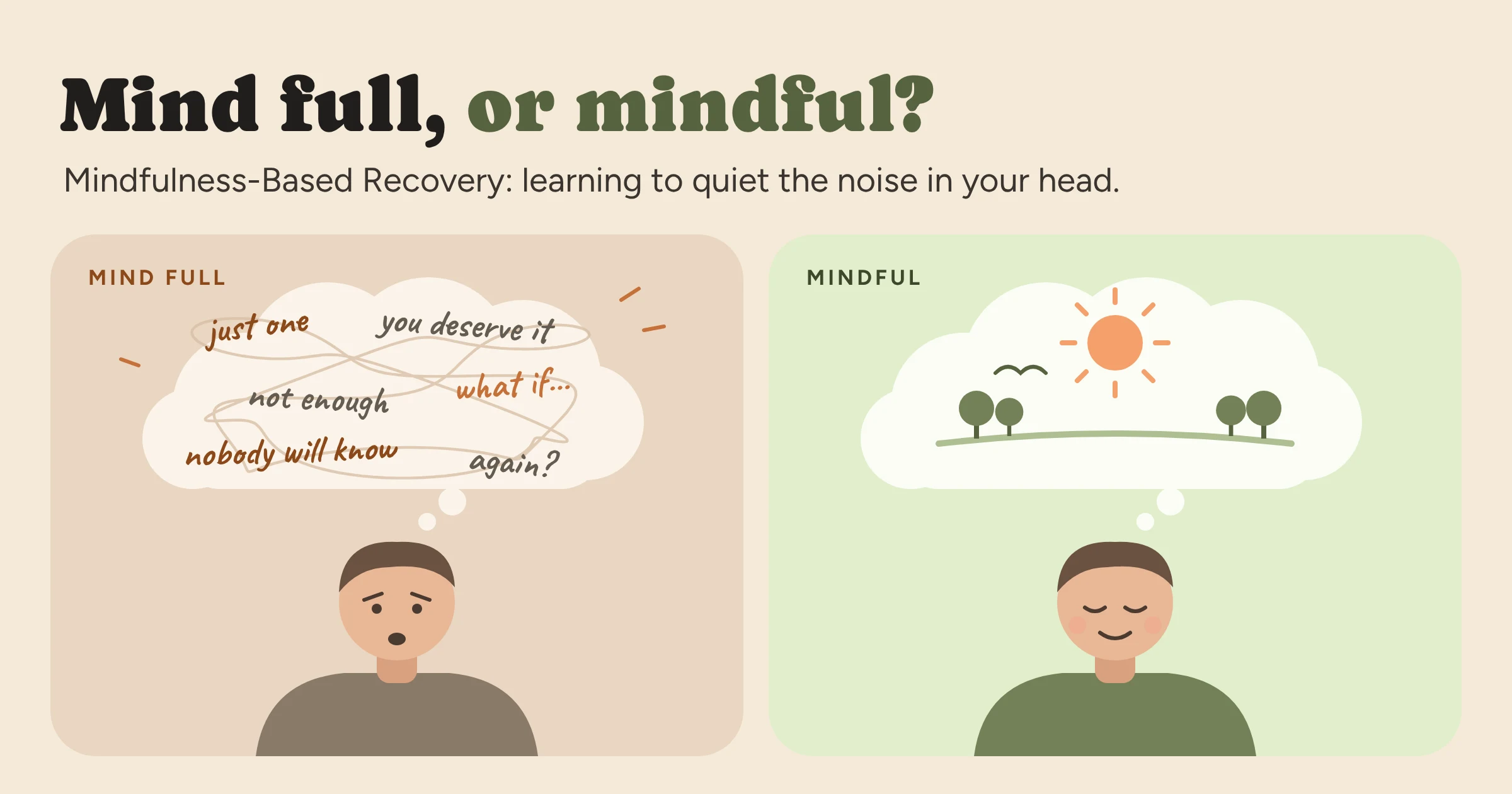
Take the First Step
Oops! Something went wrong while submitting the form.
Training attention so cravings, urges and stress can be noticed and met with a choice instead of a habit.
Reviewed by
Marsha J Gehl, CMT-PMindfulness in addiction recovery means using mindfulness practices to build self-awareness and present-moment awareness, through many forms of meditation and through everyday mindfulness. Alongside standard addiction treatment, these practices can play a significant role in recovery, in relapse prevention, and in flourishing after addiction.
In recovery, mindfulness is a skillful way of training the mind to notice experience, including cravings, urges, stressful emotions and hard circumstances, without reacting in automatic, habitual ways.
Mindfulness trains the mind to notice cravings, urges and stressful emotions without reacting out of habit.
A short practice you can use anywhere, the moment a craving shows up.
Cravings behave like waves. They build, crest and fade (usually faster than we expect) if we ride them instead of acting on them.
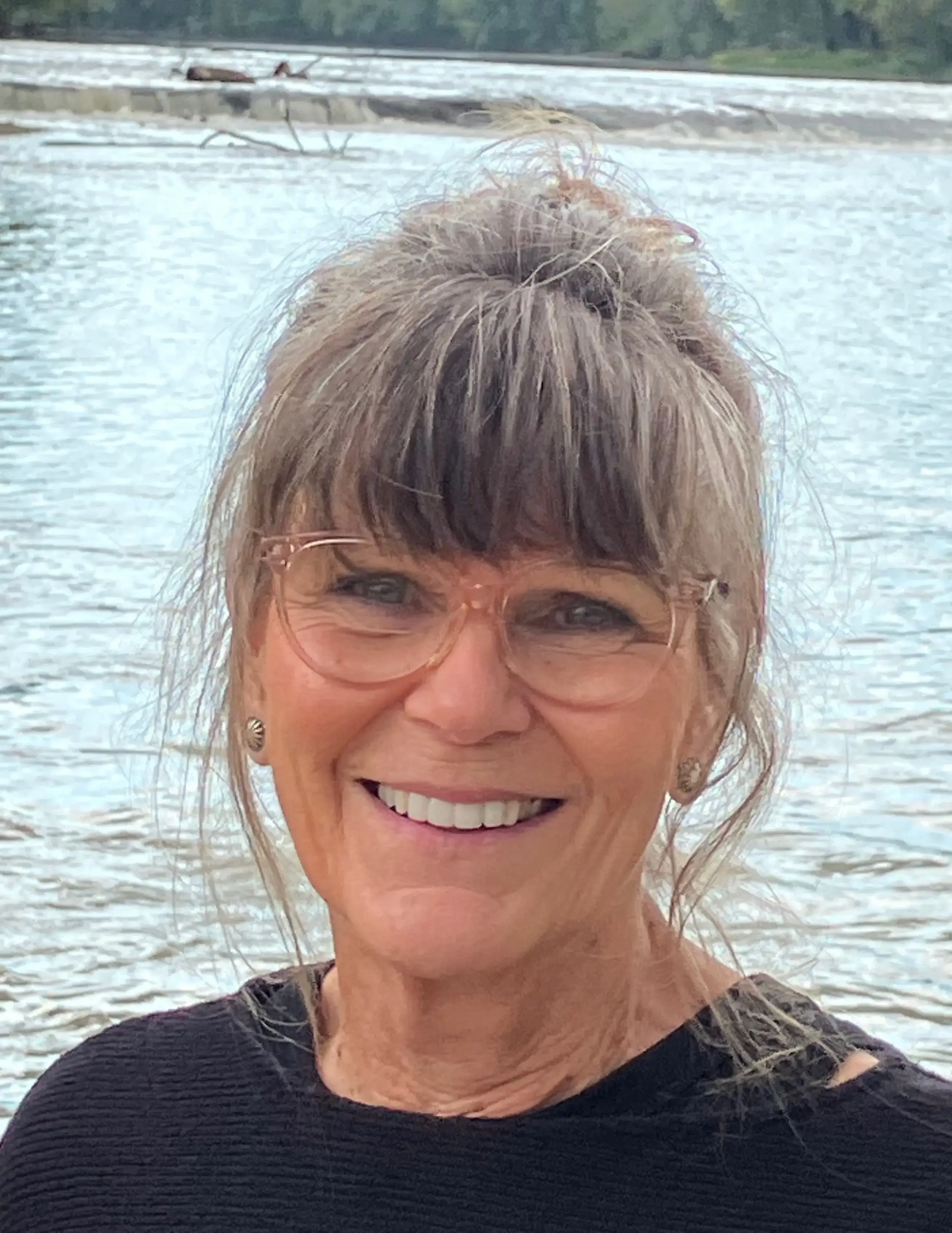
Her full guide to Mindfulness-Based Relapse Prevention, urge surfing, and the research behind it.
Mindfulness sits underneath many forms of treatment because it builds the basic capacity to notice what is happening right now, in thoughts, emotions, body sensations, urges and surroundings, without immediately judging or reacting to it. Awareness has to come first for any change to occur.
It also supports psychological flexibility: the ability to make contact with inner experience, stay present, and respond wisely. That capacity matters for recovery, and for living a meaningful life after it.
Mindfulness-based recovery is applied through several established models. They share present-moment awareness and less automatic reactivity. They differ in what they target: relapse risk, cravings, emotional dysregulation, values-based living, pain, or healthy and meaningful reward.
Mindfulness and meditation at Prescott House are taught by our certified teacher as part of the weekly schedule. It is not just sitting in meditation. Men learn the ideas and then put them into practice, through teaching and explanation of core concepts, guided meditation and reflection, and group discussion. The work includes:
Mindfulness is a skill built by repetition. A few sessions can introduce it. Months of daily practice make it something a man can actually reach for on a hard day. It also supports the rest of the program. It steadies the nervous system for trauma work and gives CBT and DBT skills a moment to land.
Our blog has several in-depth pieces on mindfulness in recovery. To talk about whether Prescott House is a fit, contact admissions or call (866) 425-2470.
Take the first step towards transformation with Prescott House. Let's begin your recovery journey together.
I was a resident at the Prescott House for five months in the year 2023 and i have a hard time finding a constructive thing to say. From the day I walked in, every staff member made it clear that they wanted to help me heal. The group therapy work was challenging but to this day I benefit from those sessions. Their program setup allowed me to get a job after three months which helped me reconnect in the community. Their continued care program allowed for me to check in with other residents who had recently moved into an apartment or sober living in the Prescott area. The thing that separates Prescott House from every other center I’ve been to is the strength of the community. Three years later I keep in touch with several of the men I went through with and I hold pride in my time at Prescott house more than anywhere else. The success I have in my life today would not be possible without the fundamentals Prescott House taught me in recovery and for life. If you or a loved one is looking for a refresh or a restart in life I recommend you reach out to the Prescott House team.
Prescott House truly changed my life. I spent 90 days there for gambling treatment and left with real tools, clarity, and hope for the future. My therapist, Bobby Engle, was a godsend—he genuinely cared, challenged me when I needed it most, and played a pivotal role in my recovery. If you’re struggling with compulsive gambling, there’s no one better to have in your corner. I’m incredibly grateful to Bobby and the entire team.
My husband spent 100 days at Prescott Recovery House, and I can say with my whole heart it was the BEST decision we have ever made! Before this, he went to what we thought was one of the top addiction treatment centers in the country (Sierra Tuscon) and honestly… it doesn’t even compare. Prescott was a MILLION times better. More effective. More personal. More real. The therapists and clinicians here don’t just do their jobs, they genuinely care in a way you can feel every single day. I’m a therapist myself, and I have NEVER seen clinicians make this kind of impact. Not just on the client, but on the entire family. This program doesn’t just help people get sober, it changes lives, relationships, and the way you understand healing.Bobby Engel, my husband’s primary therapist, is hands down the most influential person we could have asked for during this journey. He didn’t just show up for my husband, he showed up for all of us. The love and support he gave our family during some of the most emotional and honestly scary moments of our lives is something I will never forget. He helped calm fears we didn’t even know how to put into words. Jon, Jeff, and Tim were also incredible. Every single person on this team brings so much heart, passion, and authenticity. You can feel that this is more than a job to them.. it’s who they are. I truly cannot say this loud enough: if someone you love is struggling with addiction, they NEED to go here. Don’t “consider it” or “look into it” .. Go here! This place didn’t just help my husband, it changed ALL of our lives forever, and I will always be grateful for that. Prescott holds a special place in our hearts!
Proud September ‘23 graduate here from the Prescott House Gambling Treatment and still going strong with no looking back. Thanks to the incredible process and the people (Victoria, Bobby, and my fellow classmates). I walked away with the knowledge, healing, and tools that I never knew I had access to.
This is undoubtedly the best addiction treatment center in the nation. Prescott House does it right, they are professional and caring. The therapists are knowledgeable in the field of addiction and insightful! They assisted my family when we needed it most and they came through when others didn't. My son recently celebrated 13 months drug and alcohol free! Thank you Prescott House team!
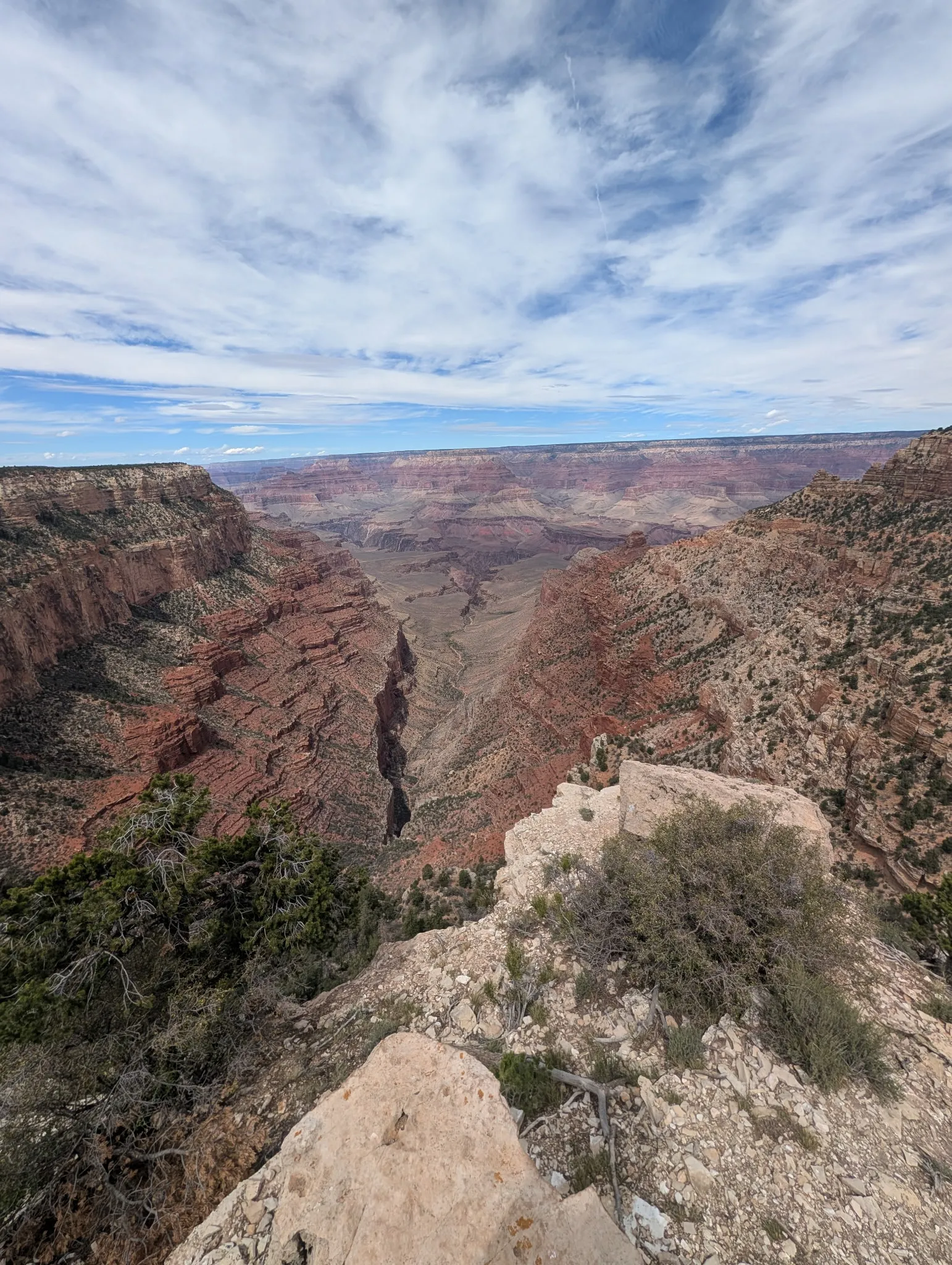
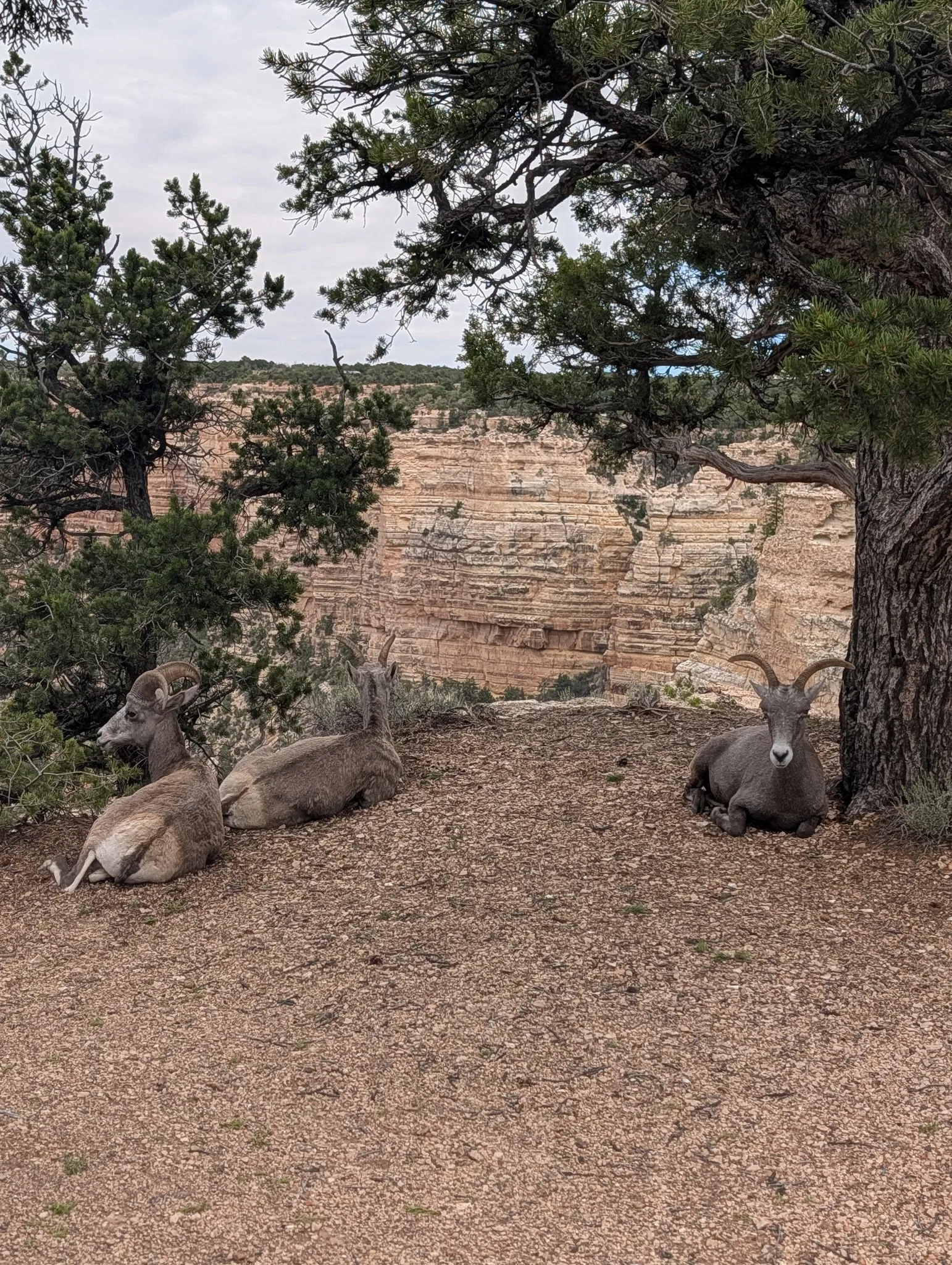
Recovery is not all groups and step work. Over Labor Day weekend our staff loaded up the guys and drove north to the South Rim for a hike along the canyon. Big views, long trail talk, and a few bighorn sheep sitting in the best shade in the park. Hikes, lakes, ball games and trips like this one are a regular part of life at Prescott House. Learning how to have fun sober is part of the work.

© Copyright 2026 ® | All Rights Reserved | Prescott House