That Overwhelming Cannabis Experience
You settled in for what you thought would be a relaxing evening. Maybe it was a social gathering with friends, or perhaps you were unwinding after a long week. You consumed some cannabis, expecting the familiar sense of calm and euphoria. Instead, within minutes or hours, your world turned upside down.
Your heart races like you've just sprinted up a flight of stairs. Waves of nausea crash over you. The room feels like it's spinning, and suddenly you're convinced something terrible is happening to your body. You might even catch a glimpse of yourself in a mirror and notice your face has taken on an alarming pale, greenish hue.
This unpleasant experience has a name: "greening out." While it feels absolutely terrifying in the moment, it's more common than you might think and typically temporary. At Prescott House, we've worked with many individuals who've had their relationship with substances shaped by experiences just like this one—moments that felt overwhelming but ultimately became learning opportunities.
This comprehensive guide will walk you through everything you need to know about greening out. We'll explore what exactly happens in your body during these episodes, identify the warning signs to watch for, examine why these reactions occur, and most importantly, provide you with practical strategies to handle the situation safely. You'll also learn evidence-based prevention techniques to help ensure your future cannabis experiences remain positive and controlled.
What Exactly is "Greening Out?"
Greening out refers to the collection of unpleasant physical and psychological symptoms that occur when someone consumes more THC (tetrahydrocannabinol) than their body can comfortably process. Think of it as your body's way of saying "that's quite enough, thank you."
This experience represents what medical professionals would classify as a cannabis overdose. However, this term carries important distinctions from overdoses involving other substances. Unlike opioids or alcohol, cannabis overdoses are not typically life-threatening. Your breathing won't stop, and your heart won't fail. Instead, you'll feel profoundly uncomfortable for several hours while your body metabolizes the excess THC.
The name "greening out" likely comes from the pale, greenish complexion many people develop during these episodes—similar to how someone might look before vomiting or during motion sickness.
Who Faces the Highest Risk?
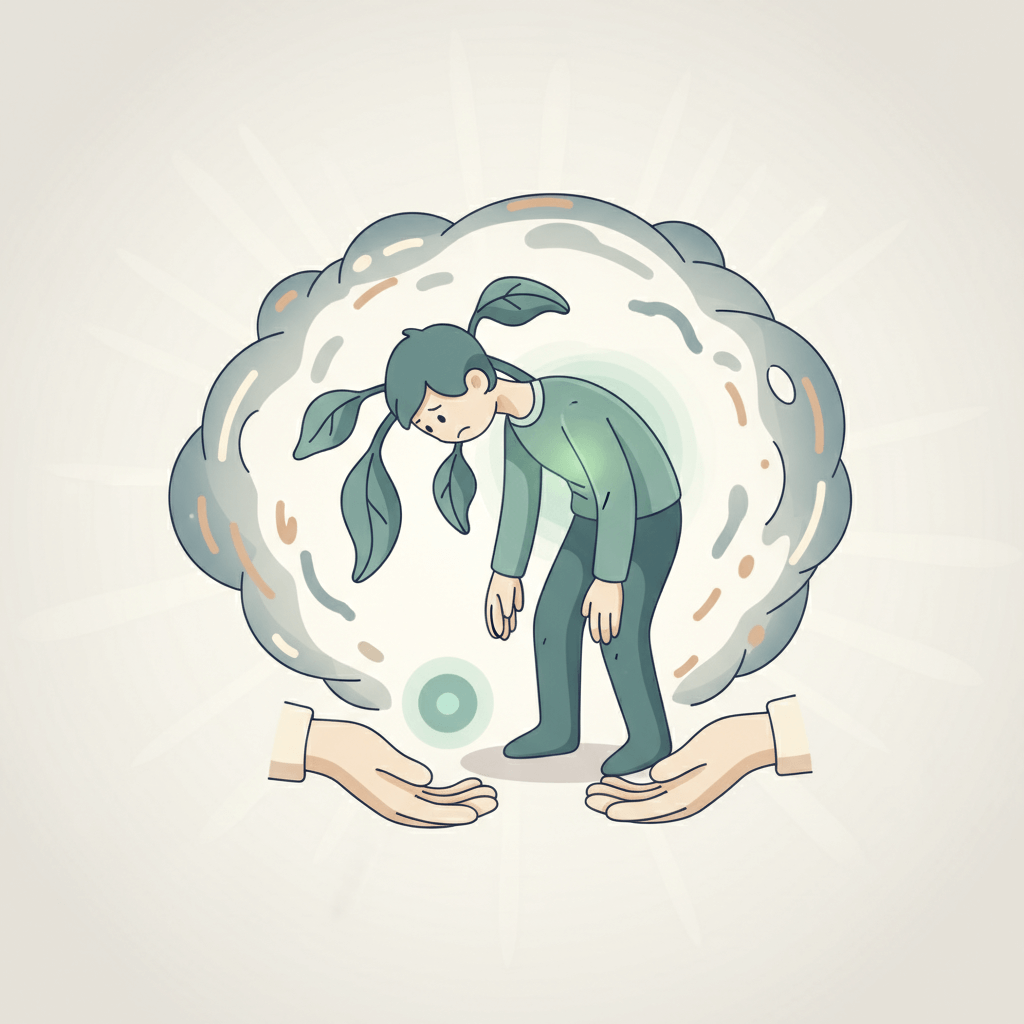
While greening out can happen to anyone who uses cannabis, certain groups face elevated risk. Beginners with low tolerance top this list. Their bodies haven't developed the ability to process THC efficiently, making them particularly vulnerable to overconsumption.
Experienced users aren't immune either. Many seasoned cannabis consumers green out when they try significantly more potent products or experiment with unfamiliar consumption methods. A person who typically smokes flower might underestimate the intensity of high-THC concentrates, for example.
Edible consumers represent another high-risk group. These products create a perfect storm for overconsumption due to their delayed onset and extended duration. Someone might eat a cannabis gummy, feel nothing after 45 minutes, consume another dose, and then find themselves dealing with the combined effects of both servings hitting simultaneously.
The Timeline of Greening Out

Understanding the typical timeline of a greening out episode can help you prepare mentally and practically for what lies ahead. The experience varies significantly depending on how you consumed the cannabis.
When smoking or vaping, symptoms typically begin within minutes and peak around 30 minutes to an hour after consumption. The intensity usually starts declining after the first hour, with most people feeling significantly better within 2-4 hours.
Edible-induced greening out follows a much different timeline—and often catches people off guard because of this delay. Symptoms might not appear for 30 minutes to 2 hours after consumption, making it easy to accidentally consume more while waiting. When the effects finally hit, they tend to be more intense and longer-lasting, potentially persisting for 6-8 hours or even longer in severe cases.
At Prescott House, we've seen how this unpredictable timeline contributes to problematic patterns of use. Clients often describe a cycle where they consume more because they don't feel effects immediately, only to find themselves overwhelmed when everything hits at once.
Recognizing the Warning Signs and Symptoms
Greening out announces itself through a cascade of physical and psychological symptoms that can feel overwhelming when they hit all at once. Learning to recognize these signs early can help you take action before the experience becomes completely unmanageable.
Physical Symptoms That Demand Attention
The physical manifestations of greening out often mirror those of panic attacks or other anxiety-related conditions, which can amplify the fear and discomfort. Rapid heartbeat typically tops the list—your pulse might race to 100-120 beats per minute or higher, creating the sensation that your heart is trying to escape your chest.
Nausea and vomiting frequently follow. This isn't just mild queasiness—many people experience intense waves of nausea that can lead to actual vomiting. The irony here is that cannabis is often used medicinally to combat nausea, but too much can trigger the exact opposite effect.
Dizziness and lightheadedness create additional challenges. You might feel like the room is spinning or experience the sensation that you're about to faint. Some people describe feeling disconnected from their physical body, as if they're floating or watching themselves from outside.
Excessive sweating or chills represent your body's attempt to regulate itself during this stressful experience. You might find yourself switching between feeling uncomfortably hot and shivering with cold, sometimes within minutes of each other.
Coordination problems can make simple tasks feel impossible. Walking in a straight line, picking up objects, or even speaking clearly might require concentrated effort. This physical impairment adds to the overall sense of being out of control.
The Psychological Rollercoaster
While the physical symptoms of greening out are certainly uncomfortable, the psychological effects often prove more distressing and longer-lasting. Intense anxiety or panic attacks frequently dominate the experience. Your mind races with worried thoughts, and you might become convinced that something is seriously wrong with your health.
Paranoia can transform familiar environments into threatening spaces. Friends might seem like they're talking about you, or you might become convinced that everyone can tell you're impaired. Simple social interactions become minefield s of perceived judgment and suspicion.
Time distortion creates its own form of mental torture. Minutes can feel like hours, making you wonder if the effects will ever end. This altered perception of time often fuels anxiety, as you lose your ability to reassure yourself that "this too shall pass."
Confusion and disorientation make decision-making nearly impossible. You might find yourself unable to complete simple thoughts or follow basic conversations. This cognitive impairment can be particularly frightening for people who pride themselves on mental clarity and control.
Some individuals experience what feels like depersonalization or derealization—the sense that they're not really themselves or that their surroundings aren't quite real. While these experiences are temporary and not dangerous, they can feel profoundly unsettling when they're happening.
When Physical and Mental Symptoms Collide
The most challenging aspect of greening out often occurs when physical and psychological symptoms reinforce each other in a feedback loop. Your racing heart might trigger anxiety about having a heart attack, which increases your heart rate even further. Nausea might make you worry about losing control, which intensifies the nausea.
Understanding this connection helps explain why focusing on one aspect—such as controlling your breathing—can help improve multiple symptoms simultaneously. Your mind and body are intimately connected, and addressing the physical symptoms often provides psychological relief as well.
Breaking this cycle requires patience and self-compassion, qualities that can feel in short supply when you're in the midst of an overwhelming experience. Remember that every symptom you're experiencing is temporary and will pass as your body processes the THC.
Moving Forward with Knowledge and Confidence
Greening out represents one of cannabis consumption's most unpleasant experiences, but understanding what it is removes much of its power to frighten you. Remember that this acute reaction to consuming too much THC, while deeply uncomfortable, is temporary and not life-threatening. Your racing heart will slow down, the nausea will pass, and that overwhelming anxiety will fade as your body processes the excess cannabinoids.
The key takeaways from this guide center around preparation, recognition, and response. Start low and go slow, especially with edibles or unfamiliar products. Learn to recognize the early warning signs—that first wave of dizziness or the initial flutter of anxiety—so you can take action before symptoms become overwhelming. When greening out does occur, focus on the basics: find a safe space, breathe deeply, stay hydrated, and remind yourself that this experience will pass.
Prevention remains your most powerful tool. By understanding your tolerance levels, choosing appropriate dosages, and consuming cannabis in comfortable environments, you can significantly reduce your risk of future episodes. Remember that cannabis affects everyone differently, and what works for others may not work for you. Trust your own experience and listen to your body's signals.
At Prescott House, we've witnessed how overwhelming experiences with substances—including cannabis—can sometimes mark the beginning of a more complex relationship with drugs and alcohol. If you find that your cannabis use has become problematic, or if you're struggling with any substance use issues, you don't have to navigate these challenges alone.
Our compassionate team understands that recovery looks different for everyone. Whether you're dealing with cannabis dependency, exploring your relationship with substances, or seeking support for other addiction concerns, we provide personalized treatment approaches that honor your unique journey. We believe that knowledge, support, and the right therapeutic interventions can help anyone reclaim control over their substance use.
If you or someone you care about is ready to explore treatment options or simply wants to discuss concerns about substance use, call Prescott House at 855-969-8748today. Our admissions team is available 24/7 to answer questions, provide resources, and help you determine if our programs might be the right fit for your recovery goals.
Remember, seeking help is a sign of strength, not weakness. Every person's path to wellness begins with a single step, and we're here to support you on that journey toward healthier relationships with all substances—cannabis included.