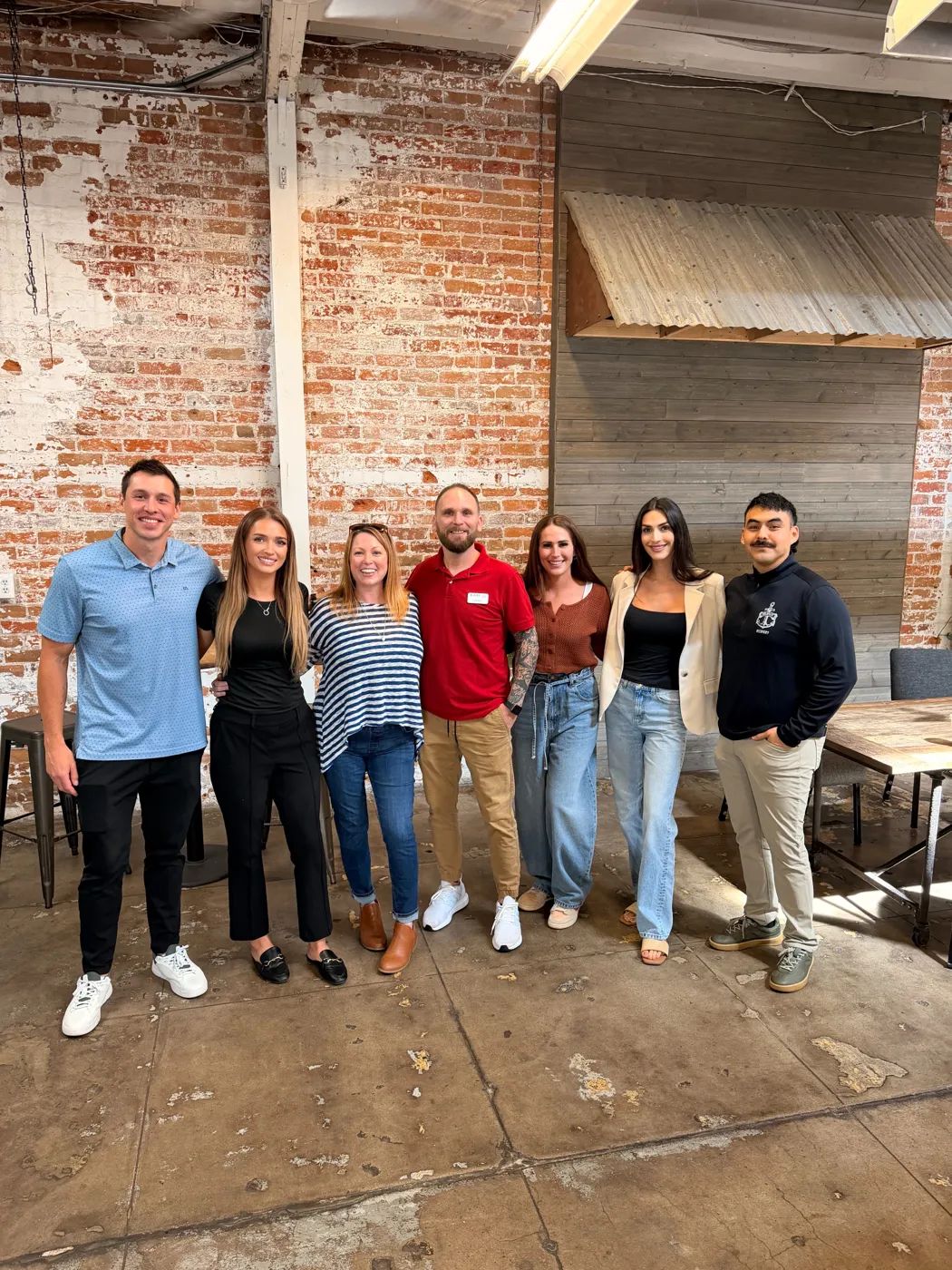
I went through this program and I work here now, so when a man asks me what the first week is like, I'm not reading it off a brochure. Here's the honest version.
The first week is when most men decide to leave
It isn't the third month, and it isn't when the clinical work gets hard. It's week one, and the timing is the reason for that.
Most men get here straight out of detox or primary treatment, which is exactly when cravings are at their worst. The acute part is behind you but your brain hasn't caught up, and right at that moment you get put on a plane, driven up a mountain, and dropped into a house full of strangers. If you're coming in for gambling or sex addiction, don't assume this doesn't apply to you, because it runs through the same wiring and the ramp-up looks about the same.
What happens next is that your mind gets creative. It will hand you a reason to leave roughly every hour, and every one of them will sound completely legitimate at the time: the therapist doesn't get me, this isn't my kind of community, this isn't the right program, my family needs me, work needs me, I'd do better somewhere closer to home. We have had men fake medical emergencies to get out of week one, which I bring up only because it isn't a joke and it isn't rare. That's how strong the pull is.
Knowing that ahead of time is worth more than almost anything else I can tell you here. When it hits you around day four or five, and it probably will, it helps enormously to be able to recognize it as a symptom instead of an insight.
What happened to me
I came in having bounced between heroin, pills, and street-bought Suboxone. That last one I was using to try to get myself off the rest of it, so my withdrawal didn't end when I left detox. It followed me here as the long mild kind that just grinds on for weeks.
Which meant my first week was dragging myself out of bed in subfreezing weather and walking to a meeting while feeling like garbage. People hear Arizona and picture the desert, but Prescott sits at a mile of elevation and it gets genuinely cold. Nobody carried me through that, and nobody was going to.
It sounds miserable and part of it was, but it's also the exact thing that started working. Doing the ordinary hard thing, outside, in the world, alongside other guys, is the treatment itself rather than a metaphor for it.
Nobody was doing my life for me
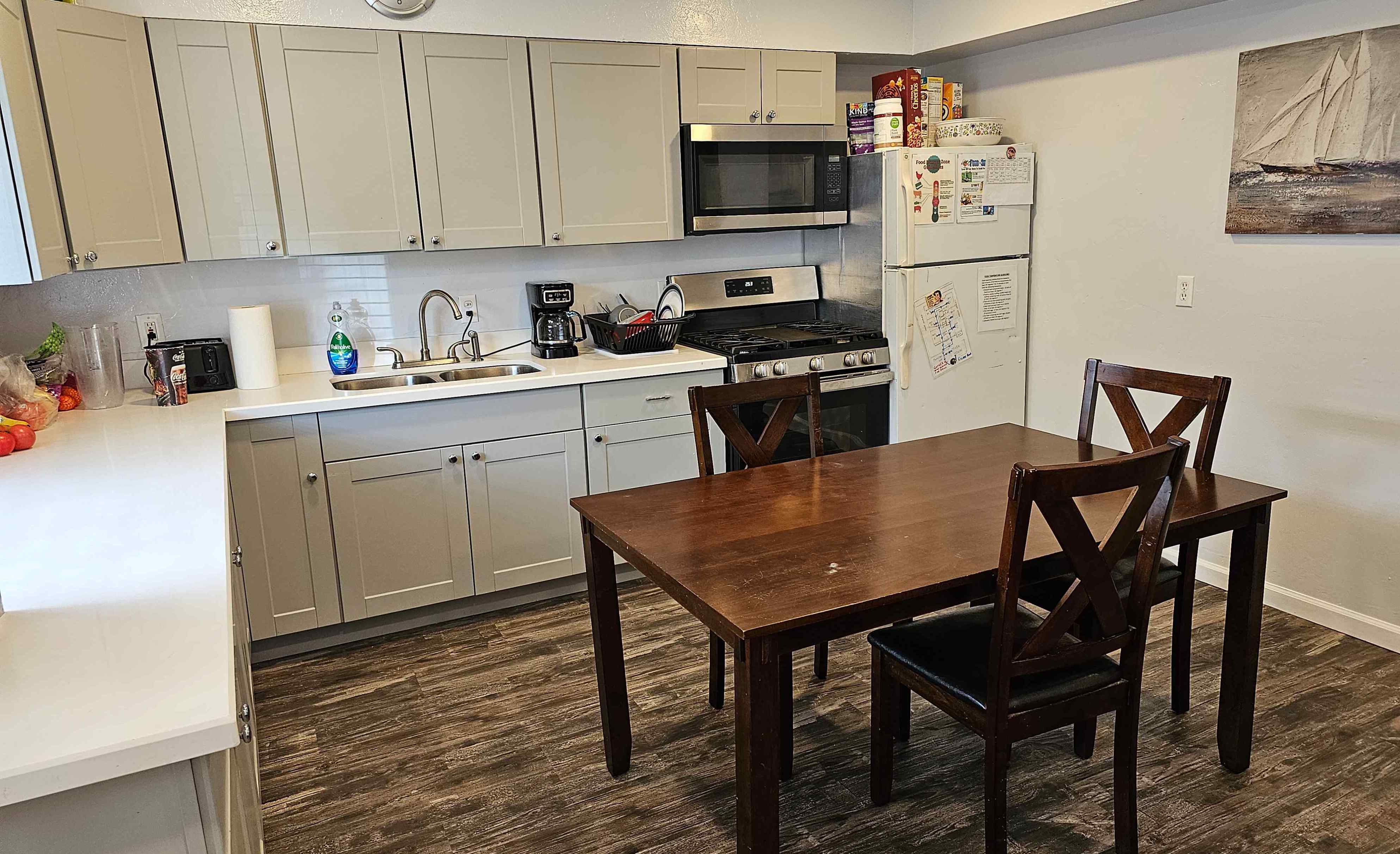
I'd been in treatment before, and that had always meant waking up, going to the cafeteria, going to group, and being told where to be next. Prescott House isn't built that way. Within days I was buying my own groceries, cooking my own food, and working out how to get where I needed to be in an actual town, which was more intimidating than it probably sounds. When you've spent years not managing anything at all, being handed back a grocery list is genuinely scary.
It was also more fun than any treatment I'd been in, because I was figuring it out next to other men doing the same thing for the first time in years. The stories were completely wild and I really think that connection and humor got me through that first week.
The community was the part I didn't expect
I'm an introvert. Left alone I stay quiet and keep to myself, so walking into an established community of men was close to the last thing I wanted. What got me was who was in it.
There were guys in that house who had been through the absolute ringer, with multiple treatments and prison behind them, and not one of them was killing time. They weren't performing for staff or counting down to discharge. They actually wanted recovery and were actively working out how to live, and I had never really seen that before. Every other setting I'd been in had a critical mass of men waiting out a clock. Seeing the opposite of that changed what I thought was possible for me, and it changed it fast. I was close with those guys inside of a week, which is not something I do.
Group here is different, and you find that out quickly
They gave me a little room the first few days, though not much. The groups went deeper and ran harder than anything I'd been part of, and I have never been called out on my nonsense the way I was in that room. I showed up with the usual set of moves, the deflections and the charm and the version of the story that's about eighty percent true, and none of it worked, not because the staff were harsh but because everyone in the circle had run those same plays themselves and could see them coming.
At one point that week I ended up hitting a block in group to get through my anger, which I would have told you beforehand was ridiculous. It turned into one of the more eye-opening hours of my life.
The reason any of it works is the staff. Most of us went through this program ourselves. Some of the guys working here were sitting in that same chair a year or two ago and some were sitting there twenty-five years ago, and when a man with your exact history tells you that what you just said isn't true, there is nowhere to go with it.
What about my phone and my family
Straight answers here, because the guessing is worse than the policy.
We typically run a two-week blackout at the start. It's handled case by case rather than as a rule we hide behind, your therapist has real discretion, and most men get one last good call with family before it begins. The reason for it isn't punishment. Week one is when you're most likely to talk your family into pulling you out, and they're the most likely people on earth to be talked into it, so protecting that stretch protects everybody. Your therapist can approve calls and will sometimes get on the phone with you and your family together, which happens more often than people expect.
Technology is limited on purpose. Devices go through the case management office and there are computers on site, and if your addiction lives on a screen, an unsupervised phone in week one is not a neutral thing.
If you're the family
Expect it to be quiet, and expect that quiet to be uncomfortable. When the calls do start, try not to judge the program by his tone, because he's likely to sound flat or irritated or unconvinced, and that's week one talking rather than a verdict on anything.
Watch for the small stuff instead. He mentions somebody by name, he complains about a chore, he tells you what he cooked. That's a man turning back into a person in a place rather than a guy serving time.
And if he calls with a very reasonable, very urgent argument for why he needs to come home right now, call his therapist before you answer him. Not because he's lying to you, but because in week one he believes it.
Where I landed
By the end of that first week I wasn't fixed and I didn't have anything figured out, but I had something I hadn't had in a long time, which was evidence. I could see men around me that this had worked for, not theoretically but standing right there cooking dinner, and I got as far as thinking that if I stayed and told the truth I might get a life out of it.
I did, and I'm still here, on the other side of the desk now.
The first week is the hardest week, and it's also the shortest.
If you're trying to decide
Call and talk to Jon or Steve. Between them they've walked hundreds of men and families through this exact moment, and there's no script to it.
Call (866) 425-2470 or verify your insurance here.
Prescott House is a long-term residential program for adult men. We treat substance use, sex and pornography addiction, gambling addiction, and co-occurring mental health conditions.
Finding the Right Path to Recovery
- Admissions: what to expect
- Long-term addiction treatment
- Family Involvement Program
- Group addiction therapy
If you or someone you know is in crisis, please contact the 988 Suicide & Crisis Lifeline by calling or texting 988.