At its best, recovery is not simply about stopping substance use. It is about learning how to live.
At Prescott House, we approach recovery as a deeply human, multidimensional process that integrates science, connection, and lived experience. For many of the men who arrive here, addiction has narrowed their world. Their thinking has become rigid, their emotional range constrained, their relationships strained or fractured. Our work is to help expand that world again, carefully, skillfully, and sustainably.
Addiction as a Whole-Person Condition
Modern neuroscience has clarified what many clinicians and people in recovery have long observed: addiction is not a failure of willpower. It is a condition that alters brain circuitry tied to reward, motivation, memory, and stress regulation. Chronic substance use sensitizes the brain's reward system while weakening the prefrontal cortex, the area responsible for decision-making, impulse control, and long-term planning.
This creates a powerful imbalance. The drive for immediate relief becomes amplified, while the capacity to pause, reflect, and choose differently becomes diminished.
But here is the encouraging reality: the brain is plastic. With the right conditions, consistent practice, relational safety, and skill development, these systems can recalibrate. Recovery, then, is not just abstinence. It is the process of retraining the brain, the body, and the relational self.
At Prescott House, we design our program around this understanding. Every modality we offer contributes to restoring balance across the cognitive, emotional, physiological, and social domains of a person's life.
A Multidimensional Model of Recovery
There is no single pathway that addresses the full complexity of addiction. Research consistently shows that integrated approaches, those that combine behavioral therapies, experiential modalities, and social support, produce the most durable outcomes. Our program reflects this reality. The tools we draw on include:
- Cognitive Behavioral Therapy (CBT) to identify and restructure maladaptive thought patterns and beliefs.
- Eye Movement Desensitization and Reprocessing (EMDR) to process the unresolved trauma that often underlies substance use.
- Talk Therapy to explore personal history, emotional patterns, and relational dynamics.
- Drama Therapy to externalize internal conflicts and build emotional expression in a safe, structured way.
- Art Therapy to access nonverbal processing and foster creativity and self-reflection.
- Equestrian Therapy to develop trust, attunement, and emotional regulation through interaction with horses.
- Nutrition and Exercise to restore physical health and stabilize mood and energy.
- Mindfulness and Meditation to build awareness, impulse control, and resilience to craving and stress.
Each of these is not a standalone solution. Each is part of a coordinated system designed to support long-term sobriety.

The Role of Mindfulness in Relapse Prevention
In my own work as a mindfulness and meditation teacher within addiction recovery, I have seen repeatedly that awareness is the turning point. Most relapse does not happen suddenly. It unfolds through a series of subtle shifts: tightening thoughts, emotional reactivity, disconnection from others, and a gradual return to automatic behavior.
Mindfulness interrupts that process.
By training attention, individuals learn to notice cravings without immediately acting on them. By cultivating nonjudgmental awareness, they reduce the shame that so often fuels continued use. And by strengthening present-moment engagement, they develop the capacity to respond rather than react.
Current research on mindfulness-based relapse prevention (MBRP) supports this. Studies show that mindfulness practices can reduce substance use, decrease craving intensity, and improve emotional regulation by strengthening prefrontal control over limbic reactivity.
At Prescott House, mindfulness is not treated as an abstract concept. It is practiced daily, through seated meditation, mindful movement, breath awareness, and real-time application in moments of stress or conflict. If you would like a deeper look at how this works as a structured practice, our companion piece, Mindfulness-Based Relapse Prevention: A Compassionate Path Through Recovery, walks through the eight-week model in detail.
Trauma, Memory, and the Need for Integration
For many people, substance use is not just about seeking pleasure. It is about escaping pain. Trauma, whether acute or chronic, leaves imprints on the nervous system that can show up as anxiety, hyper-vigilance, emotional numbness, or intrusive memories.
EMDR has emerged as one of the most effective evidence-based treatments for trauma. By facilitating the reprocessing of distressing memories, it helps reduce their emotional charge and integrate them into a broader, more adaptive narrative.
When trauma is addressed directly, the need to self-medicate often decreases. People are no longer trying to outrun their past. They are learning to relate to it differently.
The Power of Experiential Therapies
Not all healing happens through words.
Drama therapy, art therapy, and equestrian therapy engage parts of the brain and body that traditional talk therapy may not fully reach. These modalities allow people to explore identity, emotion, and relationship in embodied, often more intuitive ways.
Working with horses, for example, requires presence, clarity, and emotional regulation. Horses respond not to words but to subtle cues in posture, energy, and intention. This creates immediate feedback and opportunities for growth that are difficult to replicate in other settings. Similarly, art and drama therapy offer structured ways to express complex internal experiences, anger, grief, fear, longing, without needing to fully articulate them cognitively.
These approaches are particularly valuable in early recovery, when verbal insight may outpace emotional integration.
Community as a Therapeutic Force
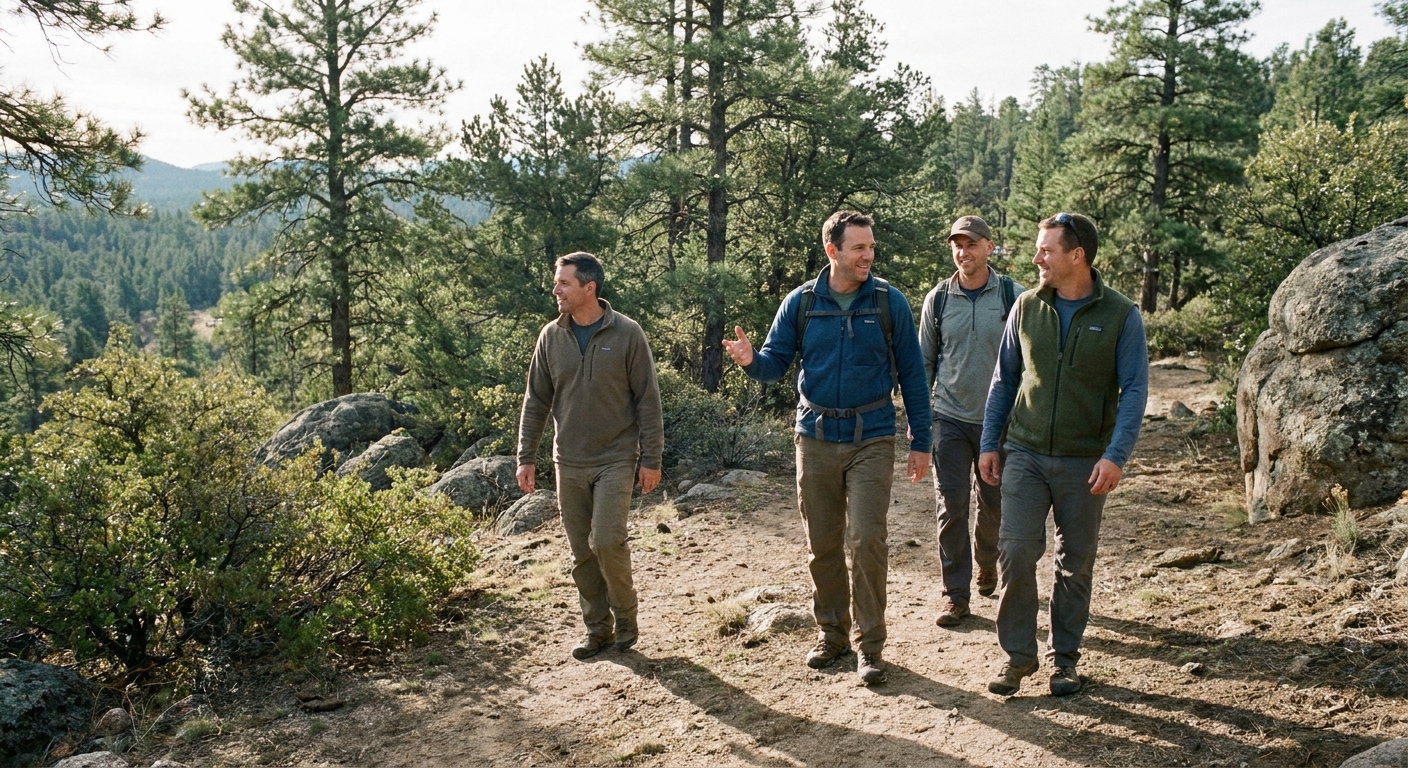
One of the most overlooked yet essential components of recovery is community.
Addiction thrives in isolation. Recovery requires connection.
At Prescott House, we intentionally cultivate a strong sense of community within our residential environment. This is not incidental. It is foundational. Men live, work, and grow together, building relationships that challenge old patterns and support new ways of being. We place strong emphasis on male bonding and healthy friendship, open and honest communication, conflict resolution skills, shared responsibility and accountability, and the recognition of common humanity.
Many of the men who arrive here have known relationships marked by mistrust, avoidance, or volatility. Learning to navigate disagreement, express needs, and stay present in difficult conversations becomes a critical part of their recovery. Staff play an active role in modeling these skills. Through consistent support, feedback, and engagement, they help residents build the capacity for emotional regulation, perspective-taking, and resilience under stress.
Over time, this creates a powerful shift. Men who once felt alone in their struggles begin to experience themselves as part of something larger, a network of support, understanding, and shared purpose.
Building Stress Tolerance and Emotional Resilience
Relapse is often preceded by an inability to tolerate internal discomfort. Whether it is anxiety, frustration, loneliness, or boredom, the urge to escape can become overwhelming.
A central focus of our program is increasing stress tolerance. That work involves learning to identify and label emotional states, developing skills to regulate physiological arousal, practicing distress tolerance techniques, and gradually expanding one's capacity to remain present during discomfort.
Exercise, mindfulness, and structured therapeutic challenges all contribute to this process. As men experience themselves successfully navigating difficult states without resorting to substance use, their confidence grows. This is not about eliminating discomfort. It is about changing one's relationship to it.
Nutrition, Movement, and the Body in Recovery
The body plays a critical role in recovery, yet it is often neglected.
Chronic substance use disrupts sleep, depletes nutrients, and dysregulates metabolic and hormonal systems. This can lead to mood instability, fatigue, and increased vulnerability to craving.
At Prescott House, we integrate nutrition and physical activity as core components of treatment. Balanced meals support brain function and emotional stability, while regular exercise improves mood, reduces stress, and enhances overall well-being. Movement also provides an outlet for energy and emotion, helping men reconnect with their bodies in a positive and empowering way.
From Short-Term Sobriety to Long-Term Recovery
One of the defining features of our approach is a focus on long-term sobriety.
Short-term abstinence, while important, is only the beginning. Sustainable recovery requires ongoing skill development, strong support networks, a sense of meaning and purpose, and the ability to navigate real-world challenges.
We work with residents to develop relapse prevention plans that are both practical and personalized. These plans address triggers, high-risk situations, and early warning signs, while also identifying strengths, resources, and values. Importantly, we emphasize that relapse is not a single event but a process. By learning to recognize and interrupt that process early, men can maintain stability even during periods of stress.
A Place to Rebuild
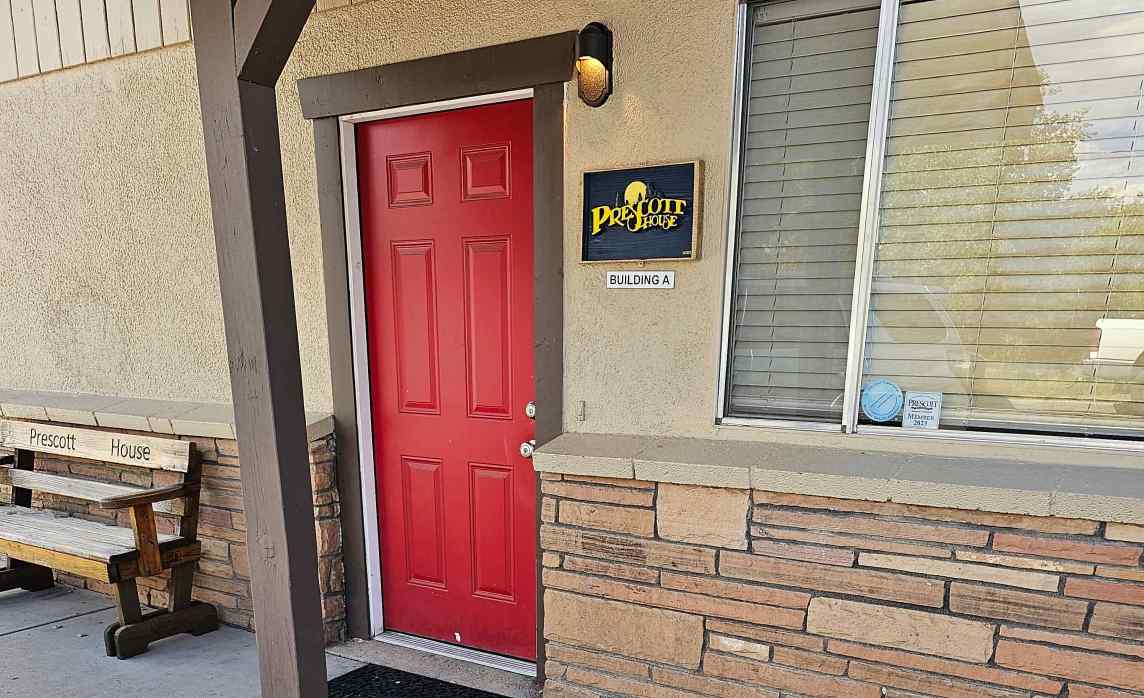
Recovery is not linear. It involves setbacks, breakthroughs, and periods of uncertainty. What matters is having an environment that supports persistence, growth, and self-understanding.
Prescott House is more than a treatment facility. It is a place where men can step out of the cycles that have defined their lives and begin to build something new. Here, they learn not only how to stay sober, but how to live with greater awareness, connection, and purpose. They learn that change is possible, not through force or willpower alone, but through consistent practice, supportive relationships, and a willingness to engage fully in the process.
And perhaps most importantly, they discover that they do not have to do it alone.
If you or a loved one would like to learn more about how this whole-person approach comes together at Prescott House, you can contact our admissions team or explore our long-term residential program for men.
Frequently Asked Questions
What does "whole-person" or "multidimensional" recovery actually mean?
It means treating addiction as a condition that affects the brain, the body, the emotions, and a person's relationships all at once, rather than focusing on substance use in isolation. In practice, that looks like combining behavioral therapy, trauma work, experiential modalities, physical health, mindfulness, and community support into one coordinated plan.
Why does Prescott House use so many different therapies?
Because no single modality addresses the full complexity of addiction. Research consistently shows that integrated approaches produce the most durable outcomes. Different tools reach different parts of a person. Talk therapy engages insight, EMDR processes trauma, experiential therapies reach what words cannot, and mindfulness builds the moment-to-moment awareness that holds it all together.
How does mindfulness fit into relapse prevention?
Most relapse unfolds gradually, through subtle shifts in thinking, emotion, and behavior. Mindfulness trains the attention to notice those shifts early and to meet cravings with awareness rather than automatic reaction. For a detailed look at the structured eight-week model, see our companion article on Mindfulness-Based Relapse Prevention.
Is trauma treatment a standard part of the program?
For many men, unresolved trauma is part of what drives substance use. EMDR and other trauma-focused approaches are integrated into treatment so that the underlying pain can be addressed directly, rather than left to fuel the cycle of self-medication.
What makes long-term residential treatment different from short-term programs?
Short-term abstinence is a beginning, not an endpoint. A longer residential model gives men time to build real skills, form genuine community, address the roots of their addiction, and practice navigating real-world challenges, all of which support recovery that lasts well beyond discharge.
About the Author
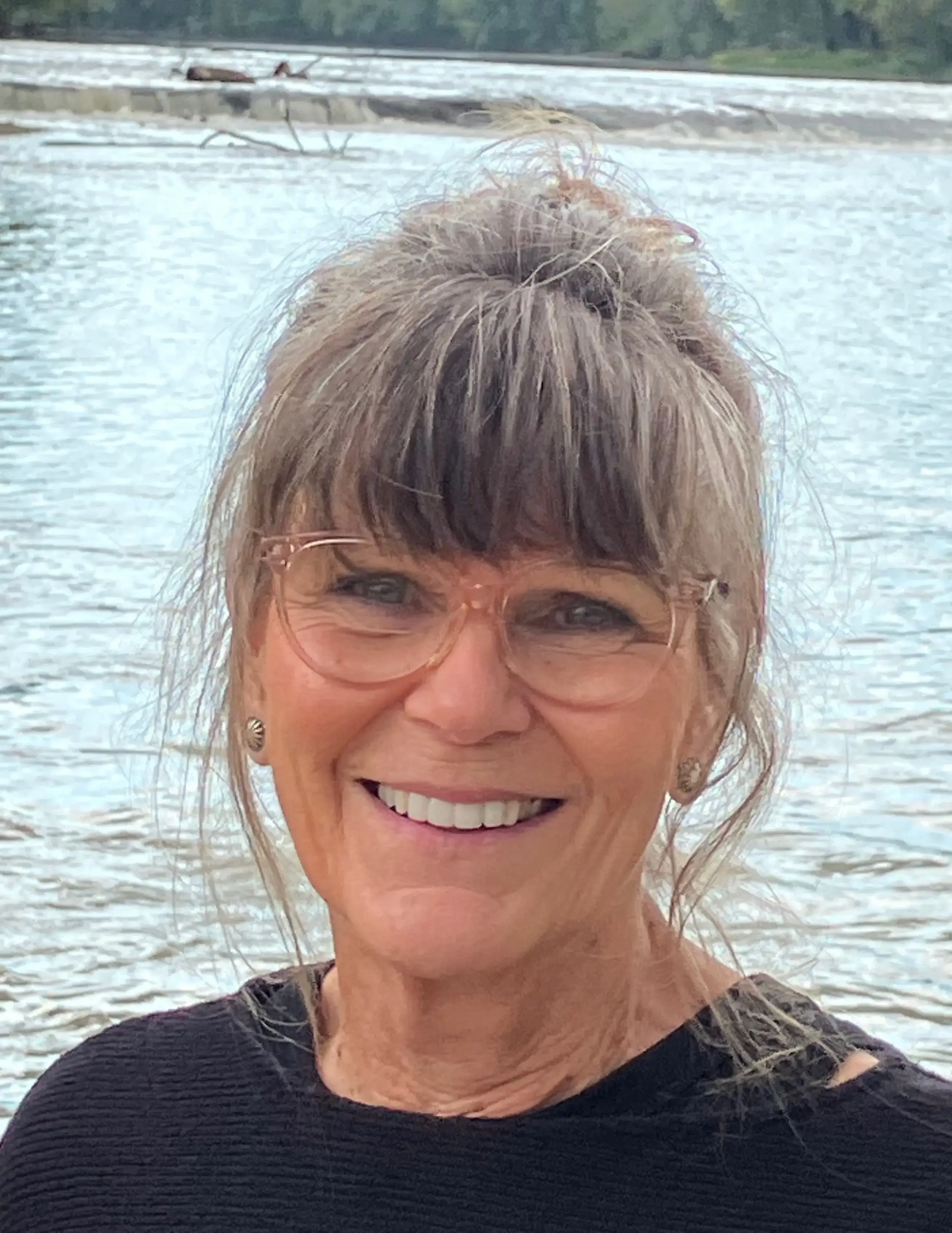
Marsha J. Gehl, CMT-P is the Meditation and Mindfulness Teacher at Prescott House. A Doctor of Chiropractic with more than thirty years in healthcare, Marsha made a deliberate transition into mindfulness and meditation education, bringing with her a deep understanding of the nervous system, the body's response to stress, and how unresolved pain, whether physical or emotional, shows up in people's lives.
Marsha holds the Certified Mindfulness Teacher – Professional (CMT-P) credential from the International Mindfulness Teachers Association (IMTA), independently verifiable through the IMTA Certified Teacher Directory. Her training also includes the Mindfulness Meditation Teachers Certification Program (MMTCP) through UC Berkeley's Greater Good Science Center, Trauma-Sensitive Mindfulness with David Treleaven, PhD, Mindfulness-Based Stress Reduction (MBSR), Mindfulness-based Mind Fitness Training (MMFT) with Elizabeth Stanley, PhD, and Nonviolent Communication training with Oren Jay Sofer.
She has worked extensively with people in addiction recovery and has been part of the Prescott House team since 2022. Read Marsha's full bio →
Keep Reading
Mindfulness-Based Relapse Prevention: A Compassionate Path Through Recovery. A deeper dive into the eight-week MBRP model, urge surfing, the SOBER breathing space, and the research behind one of the most evidence-supported contemplative approaches in addiction care.
Not All Mindfulness Teachers Are Created Equal. Meet Marsha J. Gehl, CMT-P. The story behind the credential and what it actually takes to earn one of the most rigorous designations in the field.
Mindfulness for Addiction Recovery. A grounded look at why mindfulness has become one of the most evidence-supported tools in addiction recovery, and what it actually looks like when it is done well.
A Reference Worth Bookmarking
EMDR Therapy and Addiction (EMDR International Association). A public-facing overview from the field's professional body on how EMDR helps address the trauma that often underlies addiction. A good next step if you want to understand the modality in more depth.
→ "A Reference Worth Bookmarking" as a small heading or bold line, then bold/link "EMDR Therapy and Addiction (EMDR International Association)" to the same URL:https://www.emdria.org/about-emdr-therapy/emdr-addiction-public/
This article is for educational purposes and is not a substitute for professional medical or mental health care. If you are struggling with substance use, please reach out to a qualified clinician or call SAMHSA's National Helpline at 1-800-662-HELP (4357).