Sober Gets You Clean. It Doesn't Get You a Life.
You can put down the drink and still be a nightmare to live with. That's not a knock on anyone, it's just true, and most guys in early recovery find it out the hard way. You count the days, you stay away from the bar, you do the bare minimum to stay clean, and somehow you're still lying to your wife, still short with your kids, still white-knuckling your way through every hard conversation the exact same way you did when you were using. The substance is gone. Everything that made you pick it up in the first place is still sitting right there.
Guys in the field have a name for it: the dry drunk. Sober, technically, but still running the same operation you always ran, just without the drink or the behavior to numb it. "Because being sober and actually doing the work are two different things," says David Glasser, LAC, a primary therapist at Prescott House and a graduate of the program himself. "I learned that the hard way."
That's not a therapist reciting a textbook. That's a guy who lived it, got out on the other side of it, and now sits across from men going through the exact same thing. "For a while I was sober and my life was still completely unmanageable," he says. Sobriety got him out of the emergency. It didn't get him out of the wreckage.

What "Doing the Work" Actually Means
Ask ten guys what "doing the work" means and you'll get ten different answers, and honestly, that's kind of the point. It looks different depending on where you're at. In the first weeks, doing the work might just mean showing up to group when you'd rather not, being honest in a session when the easier move is to shade the truth, or doing what's actually asked of you instead of what you feel like doing. That sounds small. It isn't. Doing the next right thing when you don't want to is most of the job, especially early on when your instincts are still pointed at self-protection instead of honesty.
Later, once things stabilize a little, the work changes shape. It stops being about survival and starts being about excavation. That's the harder phase, and it's the one people are more likely to skip, because nobody wants to go digging around in the stuff that put them there in the first place. But that's exactly where the real change happens: sitting with the trauma, the shame, the family patterns, the pain you spent years drinking or acting out to avoid feeling. Running from it got you here. The only way through is turning around and actually looking at it.
David puts the underlying logic simply: "The drinking, the compulsive sexual behavior, none of that is usually the core problem. It's what people reach for when they have pain that has nowhere else to go." Take the substance away and leave the pain untouched, and the pain doesn't quietly disappear. It finds a new outlet, or it just sits there making you and everyone around you miserable. That's the dry drunk, in a sentence: abstinence standing in for recovery.
The Steps Aren't a Checklist
This is also where a lot of guys get the 12 steps wrong, or at least get them half right. There's a version of working a program that's really just performing one, going through the motions, hitting the meetings, saying the right things to the right people, without ever letting any of it touch the parts of you that actually need to change. It looks like recovery from the outside. It isn't, and everyone close to that person usually knows it isn't, even if they can't say why.
"The steps only work when you work them," David says. Simple line, but it cuts through a lot of noise. Working them means actually doing the inventory, actually making the amends, actually facing the person or the memory you've been avoiding for years, not just checking the box that says you did.
Facing It Instead of Running From It
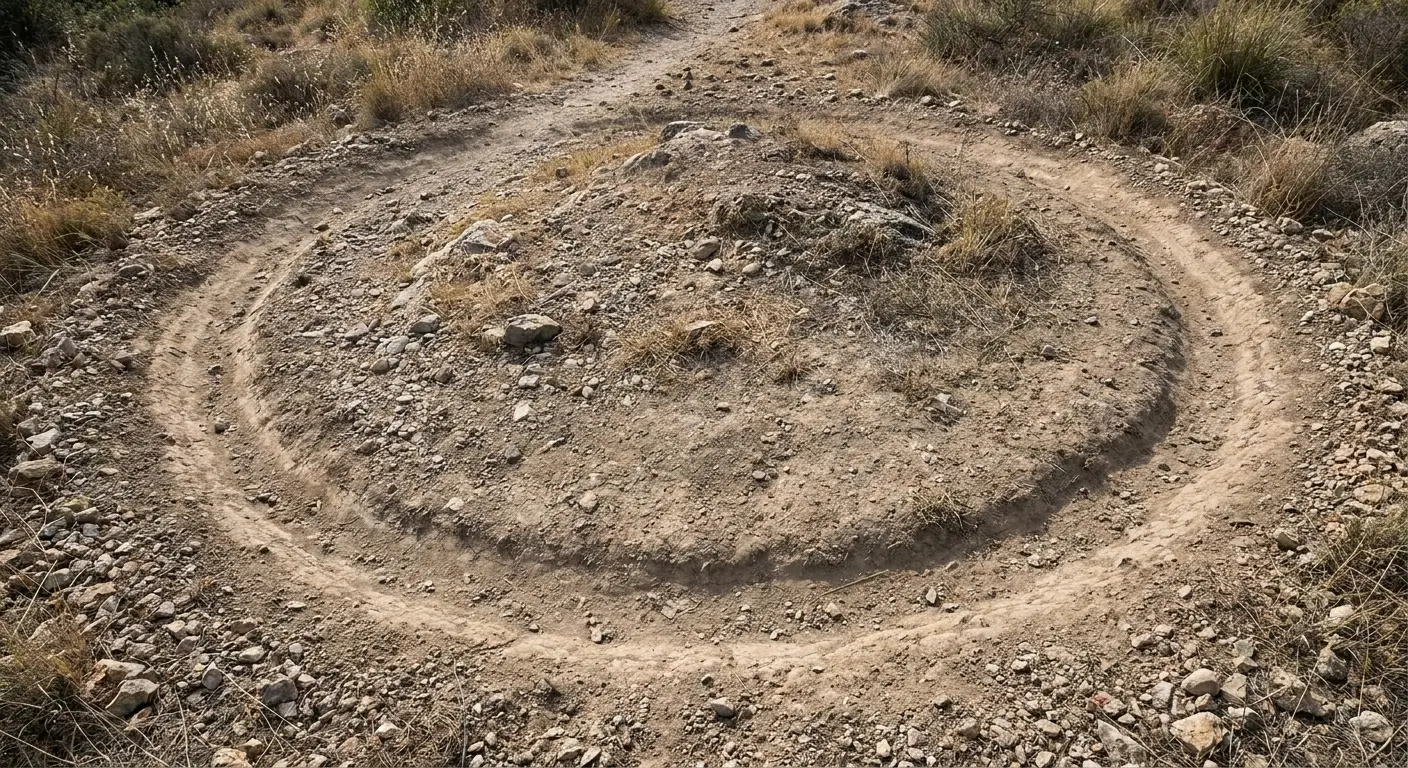
Stop running the same circle of despair. There is a way off but it is not easy to change that trajectory. None of this is comfortable, and it shouldn't be sold that way. Real recovery asks you to face the exact things you built an entire life around avoiding. That's blunt, but it's also the honest version of what long-term treatment actually is, not thirty days of detox and a pamphlet, but the sustained, uncomfortable work of turning around to face what you've been running from and staying in that room long enough to change it.
If you're sober right now and your life still feels unmanageable, that's not proof you're broken or doing recovery wrong. It's information. It's telling you there's more work underneath the work you've already done, and that work is entirely possible with the right people around you.
Ready to Find Help?
If you or a loved one are struggling and looking for professional support, our specialized treatment programs are designed to help you reclaim your life. Explore our core programs below:
- Drug & Alcohol Rehab in Prescott, Arizona
- Sex & Pornography Addiction Treatment
- Our Long-Term Treatment Program
Related Reading
- The Sobriety Movement: Embracing a Sober Lifestyle
- Understanding the Link Between Trauma and Substance Abuse
- Breaking the Cycle: Healing from Toxic Codependency