At Prescott House we address the pain beneath the addiction, because recovery is about reclaiming life, not just stopping use.
It is impossible to understand addiction without asking what relief the addict finds, or hopes to find, in the drug or the addictive behavior.
— Gabor Maté, MD, In the Realm of Hungry Ghosts: Close Encounters with Addiction
At Prescott House, we begin with a simple but profound premise: addiction is often not the primary problem. More often, it is a solution a person has used to manage pain, fear, loneliness, trauma, shame, or the stress of being alive.
Recovery, then, is not just about stopping a behavior. It is about understanding the pain beneath the behavior, learning new ways to meet life, and slowly recovering what has been lost.
Recovery As A Process
Recovery is best understood as a process of care, not a single event. It includes an active transition from addiction into sobriety, a period of stabilization, and a longer process of building a healthy life that can hold discomfort without returning to old escapes.
That process is often messy. There is an ending, a middle, and a beginning, and the middle can feel uncertain, vulnerable, and unfamiliar. Yet it is also where real change begins.
The Messy Middle
The transition out of active addiction can feel like a cocoon: neither the old self nor the new self is fully formed. This is the place where hope, fear, grief, and possibility often live side by side, and where clients begin learning how to remain present with discomfort instead of being ruled by it.
At Prescott House, we honor this stage as essential. It is not a failure to feel unsettled here. It is part of healing, because the nervous system and the heart are learning new patterns of safety, trust, and response.
What Recovery Includes
A comprehensive recovery approach can include 12-step support, cognitive-behavioral strategies, relapse prevention planning, mindfulness, meditation, movement, yoga, exercise, lifestyle change, and attention to diet and nutrition. These methods work in different ways, but they share one goal: helping a person build skills for living with reality rather than escaping it.
The World Health Organization describes health as more than the absence of disease. It is a state of physical, mental, and social well-being. Mental health includes the ability to cope with normal stresses and contribute to community life. That broader view fits recovery well, because healing is not only abstinence. It is functioning, connection, meaning, and a return to wholeness.
At Prescott House we embrace the concepts included in the CHIME Framework, an evidence-based model for mental health and substance-use recovery. It focuses on five core, non-linear processes:
- Connectedness. Support systems.
- Hope. Optimism about the future.
- Identity. Rebuilding a positive sense of self.
- Meaning. Purpose in life.
- Empowerment. Taking control of your journey.
Why Pain Matters
Many people use substances to avoid what feels unbearable inside. When we understand addiction as an attempt to manage pain, we can respond with more compassion and more precision, asking not only "What happened?" but "What hurt?"
At Prescott House, we create an environment where pain can be examined safely, where meaning can be discovered, and where the relationship to suffering can begin to change. When pain is met with honesty and support, it no longer has to control the direction of a life.
What We Offer
Our program supports people through short-term intensive care, extended care, and transitional care, depending on readiness and need. Each level is designed to meet a different stage of change and to support the move from crisis into stability, and from stability into growth.
We also value community. Recovery is strengthened by relationships, structure, accountability, and staff who bring both professional expertise and lived understanding to the work. Healing happens more deeply when people are not alone in it.
A Hopeful View
Recovery is not the end of a story. It is the beginning of a more truthful one. The goal is not to erase the past, but to recover what was intact underneath the pain: dignity, clarity, resilience, and the capacity to live with both joy and sorrow.
Life includes gain and loss, ease and difficulty, praise and blame, sunshine and storms. Recovery teaches us how to stand in all of it with greater steadiness, less fear, and more freedom.
About the Author
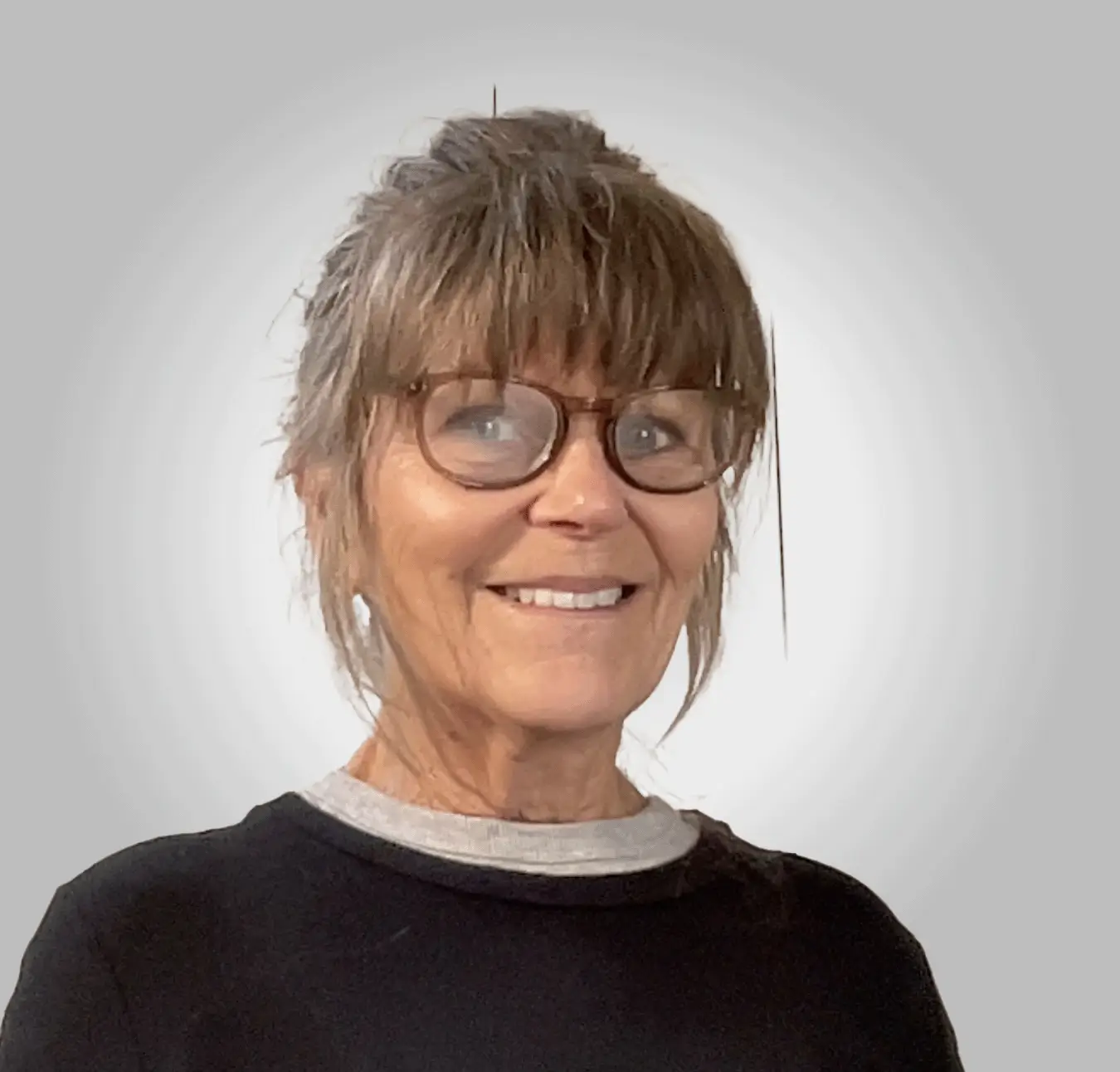
Marsha J. Gehl, CMT-P is the Meditation and Mindfulness Teacher at Prescott House. A Doctor of Chiropractic with more than thirty years in healthcare, Marsha made a deliberate transition into mindfulness and meditation education, bringing with her a deep understanding of the nervous system, the body's response to stress, and how unresolved pain, whether physical or emotional, shows up in people's lives.
Marsha holds the Certified Mindfulness Teacher – Professional (CMT-P) credential from the International Mindfulness Teachers Association (IMTA), independently verifiable through the IMTA Certified Teacher Directory. Her training also includes the Mindfulness Meditation Teachers Certification Program (MMTCP) through UC Berkeley's Greater Good Science Center, Trauma-Sensitive Mindfulness with David Treleaven, PhD, Mindfulness-Based Stress Reduction (MBSR), Mindfulness-based Mind Fitness Training (MMFT) with Elizabeth Stanley, PhD, and Nonviolent Communication training with Oren Jay Sofer.
She has worked extensively with people in addiction recovery and has been part of the Prescott House team since 2022. Read Marsha's full bio →
Keep Reading
More from Marsha on mindfulness, meditation, and the work of recovery.
Mindfulness-Based Relapse Prevention: A Compassionate Path Through Recovery. What MBRP actually is, the research behind it, and the core practices like urge surfing and the SOBER breathing space that teach you to meet a craving without obeying it.
Not All Mindfulness Teachers Are Created Equal. Meet Marsha J. Gehl, CMT-P. The story behind the credential and what it actually takes to earn one of the most rigorous designations in the field.
How Mindfulness Meditation Can Help You Break Free From Addiction. How training your attention changes the relationship you have with cravings, triggers, and the moments that used to send everything sideways.
This article is for educational purposes and is not a substitute for professional medical or mental health care. If you are struggling with substance use, please reach out to a qualified clinician or call SAMHSA's National Helpline at 1-800-662-HELP (4357).